


The Human Biome
The Human Microbiome, Gut Health and IEMT
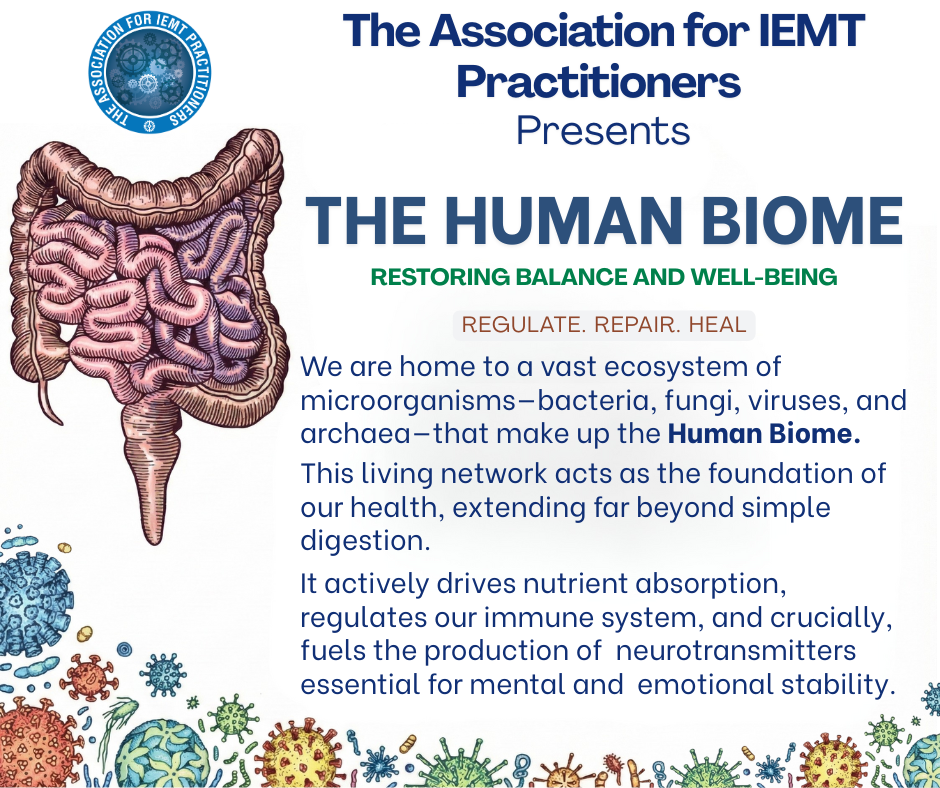
The human microbiome influences emotional regulation, immune function, and resilience through the gut–brain axis and vagal communication pathways. Many of the chronic patterns observed by IEMT practitioners involve stress-related dysregulation that also affects microbial balance. By restoring autonomic stability and reducing stress reactivity, IEMT may indirectly support conditions associated with a healthier biome, contributing to improved digestion, sleep, immune resilience, and emotional well-being.
These pages explore how microbial life within the gut, skin, and broader environment interacts with emotion, cognition, and behaviour. Each section expands upon key aspects of the microbiota–gut–brain axis, offering practitioners scientific insight, ethical guidance, and integrative perspectives relevant to IEMT practice.
Use the links below to explore detailed modules, research summaries, and supplementary reference materials.
Course pages
Foundations and practice
- Gut-Brain Axis
- Anatomy and Physiology of the Gut–Brain Communication System
- Microbiota, Mood, and Emotion
- Dysbiosis, SIBO, and Chronic Emotional Dysregulation
- Modifying the Biome for Emotional and Cognitive Well-Being
- Integrating Gut Awareness into IEMT Practice
- Evidence, Ethics, and Clinical Limitations
- Practitioner Reflection and Application
Medical and clinical topics
Diet, development and microbial ecology
Nutrition, deficiency and brain health
- Blood Sugar, Mood Swings and Anxiety-Like Symptoms
- Nutrition and Mental Health
- Protein, Amino Acids and Neurotransmitter Precursors
- The Brain’s Nutritional Demands
- Folate, Homocysteine and Mood
- Iron Deficiency, Fatigue, Low Mood and Cognition
- Nutritional Deficiency Versus Poor Dietary Pattern
- Omega-3 Fatty Acids, Depression and Brain Health
- Vitamin B12 Deficiency and Mental Health
- Vitamin D, Mood and Seasonal Patterns
Ethical Disclaimer
This material is provided for educational purposes only and does not constitute medical advice. While research supports interactions between stress, autonomic regulation, and the microbiome, many interventions discussed in this section remain experimental in mental health applications. Practitioners should work within their professional scope and refer clients to licensed medical providers when appropriate.
Training Courses