







The Human Biome · Article 14 of 26
Parasympathetic Dominance vs. Sympathetic Overdrive: Physiological Patterns Linked to Microbiome Disruption.
Educational and scope notice
This material is for education only and does not provide medical diagnosis or treatment advice. IEMT practitioners should remain within their professional scope and refer clients to an appropriately qualified healthcare professional where medical assessment, treatment, prescribed medication, supplements or restrictive diets are involved.
The balance between the sympathetic and parasympathetic branches of the autonomic nervous system (ANS) shapes nearly every aspect of bodily function, including digestion, immune regulation, and microbial composition. The microbiome and the ANS maintain a reciprocal relationship: each influencing the other through the gut–brain axis, vagal signalling, neuroendocrine pathways, and systemic inflammation. Chronic stress, poor diet, illness, or sleep disruption can push this system out of balance, leading to distinct physiological patterns that correspond to microbial disruption.
Neuro-Microbial Axis—Gut-Brain Communication
The neuro-microbial axis (commonly referred to as the gut–brain axis) describes the bidirectional communication network linking the enteric nervous system, the central nervous system, the endocrine system, the immune system, and the intestinal microbiome. This system integrates neural, hormonal, and immunological signalling to regulate digestion, emotion, cognition, and behaviour.
Microbial Influence on the Nervous System
- Gut microbes synthesise or modulate neurotransmitters and precursors, such as GABA, serotonin, acetylcholine, and dopamine‑related compounds, thereby influencing mood and cognition.
- Short-chain fatty acids (SCFAs) produced by bacterial fermentation modulate vagal afferent signalling, neuroinflammation, and blood–brain barrier permeability.
- Bacterial metabolites affect tryptophan metabolism and the kynurenine pathway, altering serotonergic tone and inflammatory balance.
The Role of the Vagus Nerve
The vagus nerve transmits microbial and metabolic signals from the gut to the brainstem. Higher vagal tone is associated with reduced systemic inflammation, improved emotional regulation, and greater microbial diversity, whereas reduced vagal activity is linked to anxiety, depression, and gastrointestinal dysfunction.
Dysregulation and Clinical Correlates
Alterations in the gut microbiota have been implicated in conditions such as irritable bowel syndrome (IBS), major depressive disorder, and Parkinson’s disease. These conditions exhibit overlapping patterns of autonomic imbalance, systemic inflammation, and microbial dysbiosis.
References
Cryan, J. F., & Dinan, T. G. (2012). Mind‑altering microorganisms: The impact of the gut microbiota on brain and behaviour. Nature Reviews Neuroscience, 13(10), 701–712. https://doi.org/10.1038/nrn3346
Mayer, E. A., Nance, K., & Chen, S. (2022). The Gut-Brain Axis. Annu Rev Med.; 73:439-453.
Sympathetic Overdrive
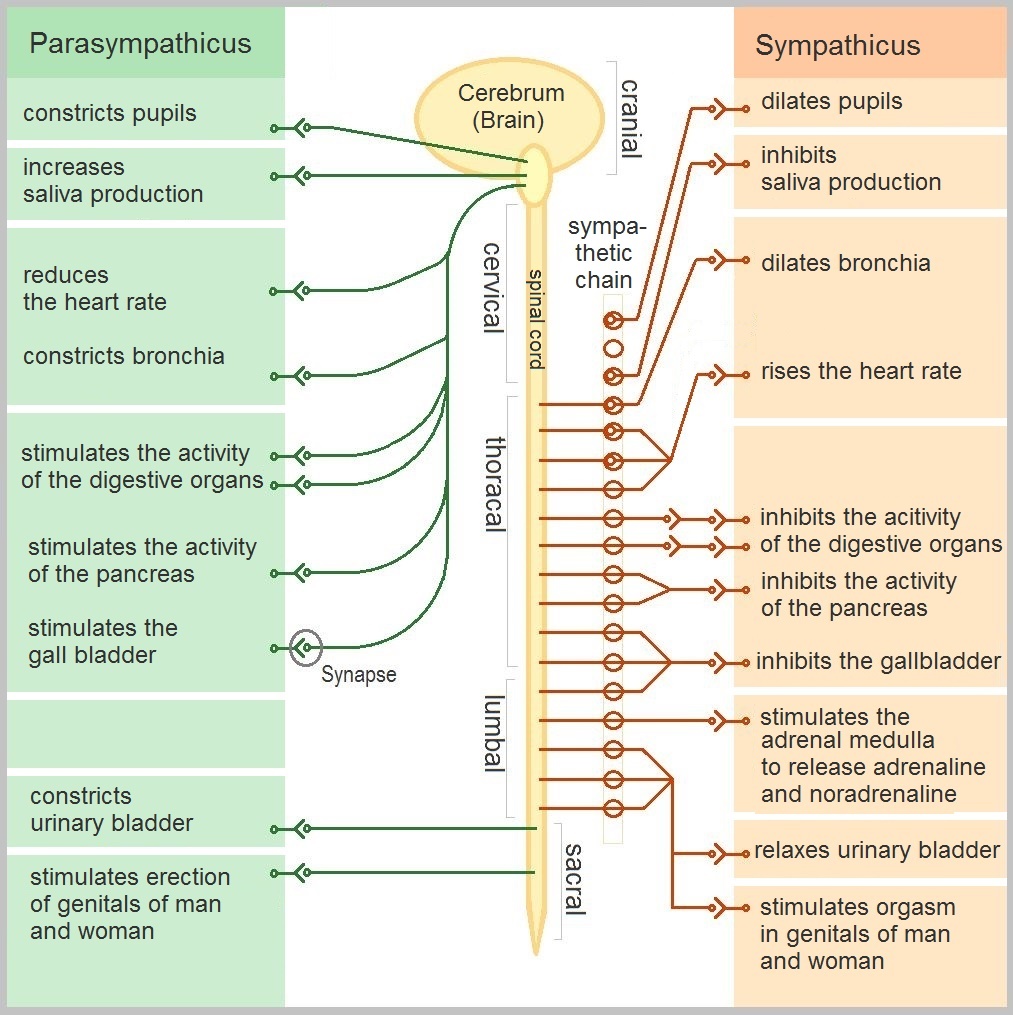
The sympathetic nervous system activates the "fight-or-flight" response, prioritising energy mobilisation, alertness, and blood flow to skeletal muscles at the expense of digestion and repair. In acute situations this response is adaptive; however, chronic sympathetic activation, referred to here as sympathetic overdrive, produces widespread physiological and microbial consequences.
Physiological Characteristics
- Elevated heart rate and blood pressure
- Increased cortisol and catecholamine secretion
- Reduced gastrointestinal motility and digestive secretions (“stressed gut”)
- Constricted blood flow to the intestines and liver
- Increased intestinal permeability (“leaky gut”)
- Suppressed mucosal repair and immune regulation
Effects on the Microbiome
Sustained stress hormones alter gut pH, reduce mucus production, and impair the secretion of digestive enzymes. These changes can promote the overgrowth of opportunistic or pro-inflammatory bacteria (e.g., members of the Enterobacteriaceae family), while depleting beneficial species such as Lactobacillus and Bifidobacterium. Stress-induced sympathetic activation also increases the production of inflammatory cytokines (IL-6, TNF-α), which damage the intestinal barrier and promote dysbiosis.
Chronic sympathetic dominance is therefore linked to:
- Irritable bowel syndrome (IBS) and functional dyspepsia
- Reduced microbial diversity
- Exacerbation of anxiety and low mood through the gut–brain axis
- Heightened histamine reactivity and mast cell activation
Connections of the Sympathetic Nervous System
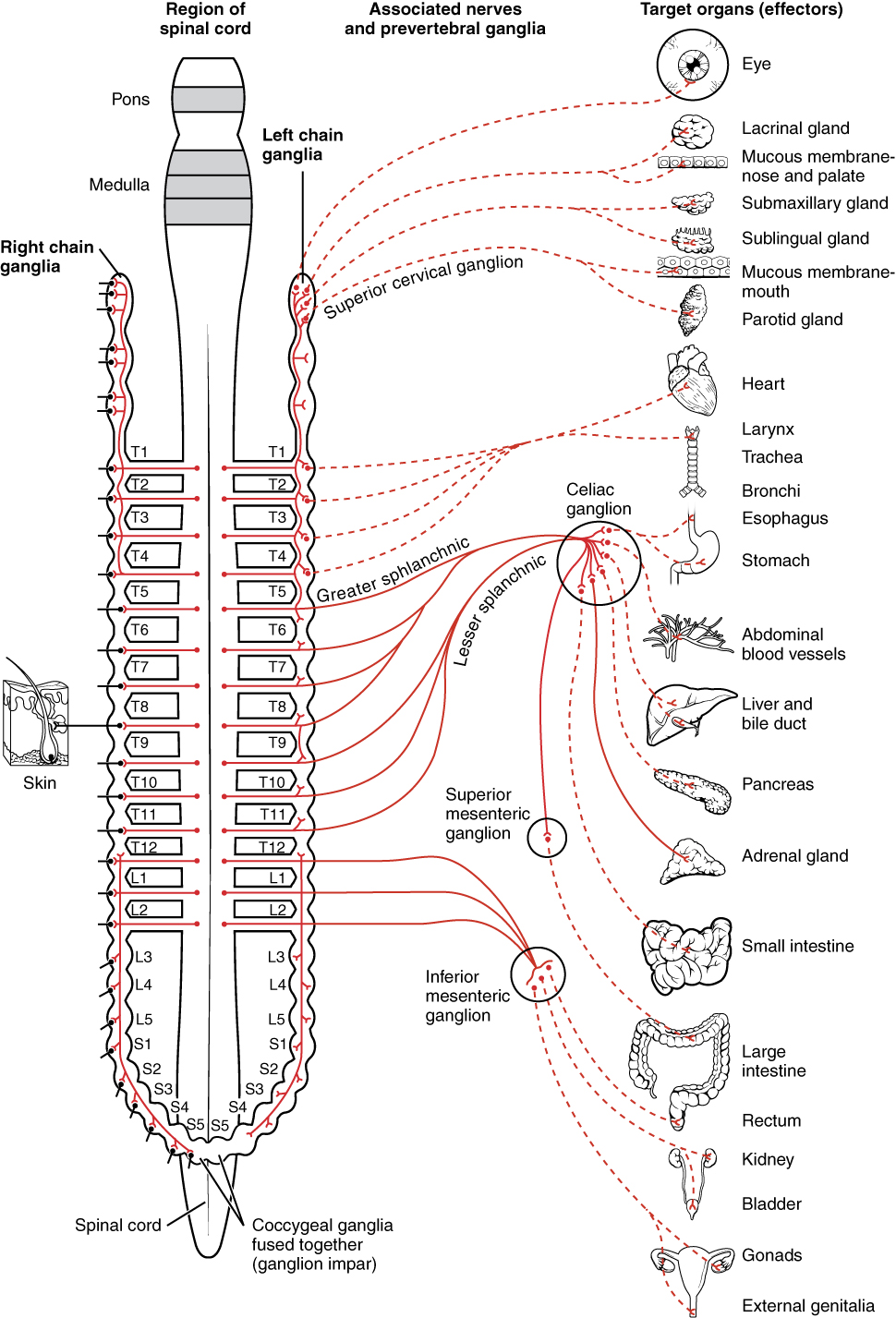

Source: OpenStax College (2013). Anatomy & Physiology. Connexions Web site.
License: CC BY-SA 4.0.
Parasympathetic Dominance
The parasympathetic nervous system, primarily mediated by the vagus nerve, governs the “rest, digest, and repair” functions. It slows the heart rate, stimulates digestion, and promotes tissue regeneration. Healthy parasympathetic tone supports a stable microbiome by maintaining gut motility, nutrient absorption, and mucosal immunity.
Here, “parasympathetic dominance” refers to a flexible, well-regulated parasympathetic tone rather than pathological vagal overactivity.
Physiological Characteristics
- Slow and regular heart rate
- Enhanced saliva and digestive enzyme production
- Increased intestinal motility and peristalsis
- Calm mental state and restorative sleep
- Balanced immune and anti-inflammatory activity
Microbial Correlates
A well-regulated parasympathetic state fosters microbial stability and diversity. Vagal signalling enhances protective mucus secretion and secretory immunoglobulin A (IgA), supporting beneficial bacteria while suppressing pathogenic overgrowth. Parasympathetic dominance correlates with an increased prevalence of short-chain fatty acid (SCFA)-producing bacteria, including Faecalibacterium prausnitzii, Roseburia, and Akkermansia muciniphila, which subsequently enhance the gut barrier and regulate inflammation.

License: Creative Commons CC0 1.0.
“Rest and Digest”—The Parasympathetic Mode of Healing
The phrase “rest and digest” describes the activity of the parasympathetic nervous system (PNS), the branch of the autonomic nervous system responsible for calm, recovery, and digestion. When the body shifts into this mode, heart rate slows, breathing deepens, and energy is redirected from muscles and alertness toward repair, nutrient absorption, and immune function.
In the rest-and-digest state, the vagus nerve signals the digestive tract to release saliva, gastric acid, bile, and pancreatic enzymes. Blood flow increases to the stomach and intestines, and rhythmic muscle contractions (peristalsis) move food through the gut efficiently. This environment supports a healthy microbiome, allowing beneficial bacteria to thrive while maintaining the gut barrier and mucosal immunity.
Parasympathetic activation also reduces inflammatory cytokines and lowers cortisol, creating the internal conditions for healing and microbial balance. Practices such as slow breathing, meditation, adequate sleep, mindful eating, and time in nature all strengthen vagal tone and promote this restorative state.
In contrast, chronic stress or sympathetic overdrive suppresses digestion and disrupts microbial diversity. Re-establishing “rest and digest” physiology is therefore a foundation for both digestive and emotional wellbeing: a reminder that calmness is not a luxury but a biological necessity.
Dysregulation and Microbiome Feedback
The relationship between autonomic balance and microbial ecology is bidirectional:
- Sympathetic overdrive alters gut conditions, promoting dysbiosis.
- Dysbiosis increases inflammatory cytokines and endotoxins such as lipopolysaccharide (LPS), which activate the hypothalamic–pituitary–adrenal (HPA) axis and reinforce sympathetic dominance.
- Conversely, a healthy microbiome produces SCFAs and tryptophan metabolites that stimulate vagal activity and promote parasympathetic recovery.
This feedback loop means that autonomic imbalance and microbial disruption perpetuate each other, a self-reinforcing cycle seen in chronic fatigue syndromes, fibromyalgia, post-traumatic stress, and anxiety-related gastrointestinal disorders.
Restoring Balance
Interventions that promote parasympathetic activity can simultaneously support microbiome recovery:
- Slow breathing, mindfulness, and vagal‑tone‑enhancing practices
- Regular mealtimes and thorough chewing to activate digestive reflexes
- Exposure to natural environments and environmental microbial diversity
- Fibre‑rich and fermented foods supporting SCFA‑producing bacteria
- Adequate sleep and circadian rhythm restoration
Conversely, persistent sympathetic stimulation, through chronic stress, excessive stimulants, or poor sleep, undermines gut ecology and immune resilience. Restoring physiological calm is therefore a foundation for microbial and systemic balance.
The Gut Barrier—Tight Junctions and Mucosal Defence
The gut barrier is a multilayer defence system that separates the intestinal microbiota from the bloodstream. It consists of epithelial cells, mucus, antimicrobial peptides, and immune cells that together regulate permeability and immune surveillance.
Structure and Function
Epithelial cells form a single layer joined by tight junction proteins (occludin, claudins, and zonula occludens).
The mucus layer provides a physical and biochemical shield enriched with secretory IgA and antimicrobial peptides.
Goblet and Paneth cells secrete mucins and defensins to maintain microbial distance and modulate composition.
Barrier Disruption and Disease
Stress, infections, alcohol exposure, and dysbiosis can reduce tight‑junction expression and alter mucus production, leading to increased intestinal permeability (commonly termed “leaky gut”). This allows bacterial components such as lipopolysaccharide to enter circulation and provoke systemic inflammation.
Microbial and Nutritional Support
SCFAs, particularly butyrate, reinforce epithelial junctions and suppress pro-inflammatory cytokines.
Akkermansia muciniphila supports mucus-layer renewal and metabolic stability.
Nutrients such as zinc, glutamine, and polyphenols aid mucosal regeneration and tight-junction repair.
References
Camilleri, M., Madsen, K., Spiller, R., Greenwood‑Van Meerveld, B., & Verne, G. N. (2012). Intestinal barrier function in health and gastrointestinal disease. Neurogastroenterology & Motility, 24(6), 503–512.
Chelakkot, C., Ghim, J. & Ryu, S.H. (2018). Mechanisms regulating intestinal barrier integrity and its pathological implications. Exp Mol Med 50, 1–9 (2018).
The nervous system and microbiome form an integrated communication network linking the gut, brain, and immune system.
- Sympathetic overdrive creates a hostile environment for beneficial microbes, promoting inflammation and dysbiosis.
- Parasympathetic dominance supports microbial diversity, digestion, and immune tolerance.
Re-establishing equilibrium between these autonomic states is a cornerstone of both nervous system regulation and microbial health: a reminder that emotional calm and digestive balance are biologically inseparable.