







The Human Biome · Article 20 of 26
Artificial Sweeteners and the Gut Microbiome
Educational and scope notice
This material is for education only and does not provide medical diagnosis or treatment advice. IEMT practitioners should remain within their professional scope and refer clients to an appropriately qualified healthcare professional where medical assessment, treatment, prescribed medication, supplements or restrictive diets are involved.
Artificial sweeteners, also known as non-nutritive sweeteners (NNS) or intense sweeteners, are widely used as sugar substitutes in foods, drinks, and pharmaceuticals. They provide sweetness without significant calories, making them popular among individuals seeking to reduce energy intake, manage diabetes, or prevent obesity. However, emerging research reveals that these compounds can have complex and potentially adverse effects on the gut microbiome, with potential consequences for metabolic, immune, and neurological health.
Common Types of Artificial Sweeteners
| Sweetener | Approximate Sweetness (vs. Sucrose) | Common Uses | Typical Absorption |
|---|---|---|---|
| Aspartame | 200 times | Diet drinks, chewing gum, yoghurts | Fully digested before reaching the colon |
| Sucralose | 600 times | Soft drinks, baked goods | Largely unabsorbed; reaches colon intact |
| Saccharin | 300 times | Tabletop sweeteners, diet foods | Poorly absorbed; partly excreted unchanged |
| Acesulfame-K | 200 times | Soft drinks, protein powders | Partially absorbed, excreted via urine |
| Neotame / Advantame | 7,000–20,000 times | Processed foods, beverages | Metabolised in liver |
| Stevia (steviol glycosides) | 200–300 times | Natural sweetener in drinks/foods | Partially metabolised by gut bacteria |
Interaction with the Gut Microbiome
While artificial sweeteners were once considered metabolically inert, studies now show that several, particularly saccharin and sucralose, can alter the composition and function of gut bacteria, even at low concentrations.
1. Microbial Dysbiosis
Some sweeteners, such as sucralose and saccharin, have been shown to reduce beneficial bacterial populations, such as Lactobacillus and Bifidobacterium, while increasing opportunistic or inflammatory species like Clostridium and Enterobacteriaceae. This imbalance, or dysbiosis, may promote low-grade inflammation and gut barrier dysfunction.
2. Altered Short-Chain Fatty Acid (SCFA) Production
Gut microbes typically ferment dietary fibres to produce SCFAs (acetate, propionate, and butyrate) that regulate intestinal health and systemic metabolism. Artificial sweeteners may disrupt this fermentation process, potentially altering SCFA production and signalling and impairing mucosal health.
3. Metabolic Effects via Microbial Mediation
The landmark study by Suez et al. (2014, Nature) demonstrated that mice given saccharin developed glucose intolerance, a finding that was transferable to germ-free mice via faecal transplant - implicating the microbiome as the mediator of this effect. Subsequent human studies confirmed that artificial sweeteners can induce rapid and individual-specific microbiome changes that alter glucose metabolism.
Glucose Intolerance
Glucose intolerance refers to the body’s reduced ability to process glucose (sugar) efficiently. It occurs when cells become less responsive to insulin: the hormone that moves glucose from the bloodstream into tissues for energy. Because of this, blood sugar levels stay high after meals.
This state sits on a continuum between normal glucose regulation and diabetes and includes conditions such as impaired fasting glucose (IFG) and impaired glucose tolerance (IGT). Over time, persistent glucose intolerance can contribute to insulin resistance, metabolic syndrome, type 2 diabetes, and cardiovascular disease.
The gut microbiome plays a significant role in glucose metabolism, meaning that microbial imbalance caused by factors such as artificial sweeteners, antibiotics, or poor diet may increase susceptibility to glucose intolerance.
4. Bacterial Gene Expression and Resistance
Some NNS compounds appear to induce stress-response genes and increase expression of bacterial stress-response and efflux pump genes associated with antimicrobial tolerance. For example, sucralose and saccharin have been found to enhance efflux pump activity, potentially affecting microbial resilience and the gut’s ecological balance.
Consequences for Health
1. Metabolic Dysfunction
Chronic consumption of certain artificial sweeteners has been associated with glucose intolerance, insulin resistance, and altered lipid metabolism, despite their lack of calories. This paradox may arise from disrupted microbial signalling between the gut and liver (the gut–liver axis), impairing glucose homeostasis.
Insulin Resistance
Insulin resistance occurs when the body’s cells become less responsive to the action of insulin, the hormone that regulates blood glucose by promoting its uptake into muscles, liver, and fat tissue. When this resistance develops, the pancreas compensates by producing more insulin to maintain normal blood sugar levels.
This compensatory response may eventually fail, resulting in increased insulin and glucose levels in the bloodstream. Insulin resistance is a key feature of metabolic syndrome and a major risk factor for type 2 diabetes, fatty liver disease, and cardiovascular disorders.
Contributing factors include chronic inflammation, high-sugar or high-fat diets, a sedentary lifestyle, and gut microbiome imbalance. Disruption of intestinal bacteria, such as that caused by artificial sweeteners, can alter metabolic signalling and promote the development of insulin resistance.
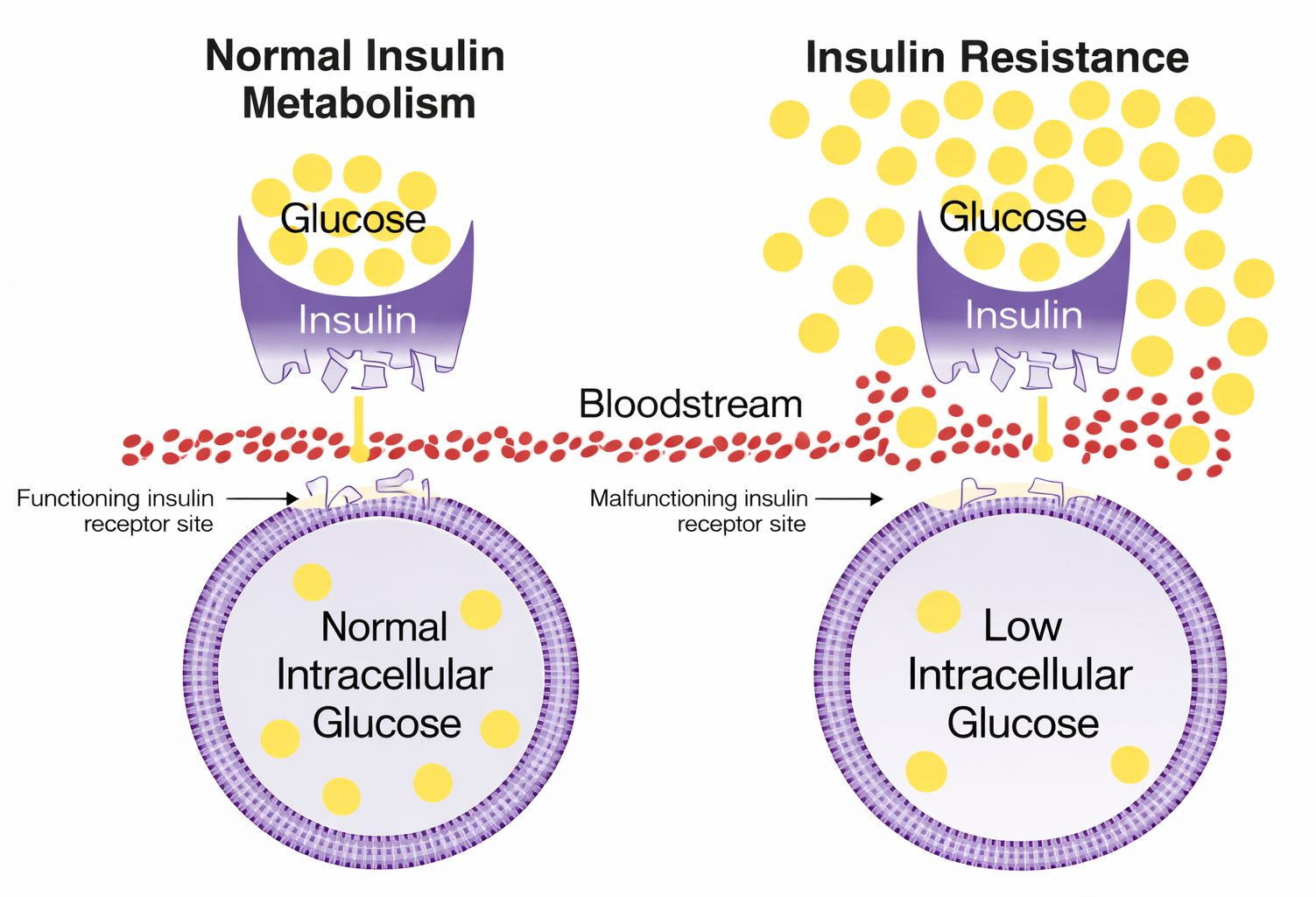
Source: Wikimedia Commons. Insulin resistance diagram. Public domain.

2. Obesity and Appetite Regulation
Though designed to aid weight management, long-term users of diet beverages often exhibit higher BMI and metabolic syndrome risk. The altered gut microbiota may influence satiety hormones (GLP-1, PYY, and ghrelin) and sweet taste receptors in the intestine, leading to increased cravings or compensatory calorie intake.
3. Immune and Inflammatory Responses
Microbial shifts caused by artificial sweeteners can promote low-grade inflammation by stimulating lipopolysaccharide (LPS) production and increasing intestinal permeability (“leaky gut”). Over time, this may contribute to inflammatory processes implicated in autoimmune and metabolic conditions.
Intestinal Permeability (“Leaky Gut”)
The intestinal lining forms a selective barrier that allows nutrients to pass into the bloodstream while preventing harmful substances such as toxins, pathogens, and undigested food particles from crossing. Increased intestinal permeability, commonly referred to as “leaky gut”, occurs when the tight junctions between intestinal cells become weakened or disrupted.
This allows unwanted molecules to enter the circulation, triggering immune activation, inflammation, and potential systemic effects. Leaky gut has been associated with a range of conditions, including irritable bowel syndrome (IBS), autoimmune disorders, allergies, and metabolic syndrome.
Contributing factors include microbial imbalance (dysbiosis), chronic stress, alcohol, NSAIDs, and artificial sweeteners, which may alter gut bacteria and damage the mucosal barrier. Supporting gut health through diet, probiotics, and stress regulation can help maintain barrier integrity.
4. Neurological and Mood Effects
The gut–brain axis is sensitive to microbial metabolites. Reduced SCFA production and microbial diversity can impair neurotransmitter synthesis (serotonin, GABA), potentially influencing mood regulation, cognition, and stress responses: issues often observed in individuals with long-term dysbiosis.
Neurotoxic and Neurological Effects of Artificial Sweeteners
Although artificial sweeteners were once thought to be neurologically inert, several studies now suggest potential effects on brain function, mood, and cognition. Compounds such as aspartame are metabolised into amino acids (phenylalanine, aspartic acid) and methanol, which at high levels may influence neurotransmitter balance and excitatory signalling.
Human and animal studies indicate possible links between high artificial sweetener intake and headaches, irritability, depressive symptoms, and impaired cognitive performance, though findings are inconsistent. Some large cohort studies have also associated high consumption of artificially sweetened drinks with increased risk of stroke and dementia, suggesting possible neurovascular involvement.
Disruption of the gut–brain axis, altered neurotransmission, and oxidative or vascular stress likely mediate these effects. Despite the lack of definitive neurotoxicity in humans, the evidence suggests a cautious, moderate approach, particularly for individuals with neurological or mood vulnerabilities.
Causality in humans remains unproven, and effects appear to be dose-dependent and highly individual.
Individual Variation and Context
Responses to artificial sweeteners are highly individualised. Factors such as baseline microbiome composition, genetics, diet, and previous antibiotic exposure determine whether an individual’s microbiota responds with resilience or dysregulation. Some people may experience little effect, while others develop pronounced metabolic changes within days.
Natural vs. Synthetic Alternatives
While natural sweeteners like stevia and monk fruit extract are generally considered safer for the microbiome, they are not entirely without effect. Steviol glycosides can still alter bacterial populations, though typically in a less inflammatory manner than synthetic counterparts.
Practical Implications and Recommendations
- Moderation is essential – occasional consumption is unlikely to cause harm, but chronic daily intake may disrupt microbial homeostasis.
- Rotate sweetener types if used regularly to avoid continuous selective pressure on specific bacterial species.
- Support microbial diversity through dietary fibre, polyphenols, and fermented foods.
- Monitor individual responses—especially in clients with metabolic, mood, or digestive disorders.
- For IEMT practitioners, awareness of gut–brain and gut–immune mechanisms may inform understanding of chronic emotional and cognitive patterns that co-occur with dysbiosis-related conditions.
Expanded Alternatives: Natural Sweeteners and Healthier Substitutes
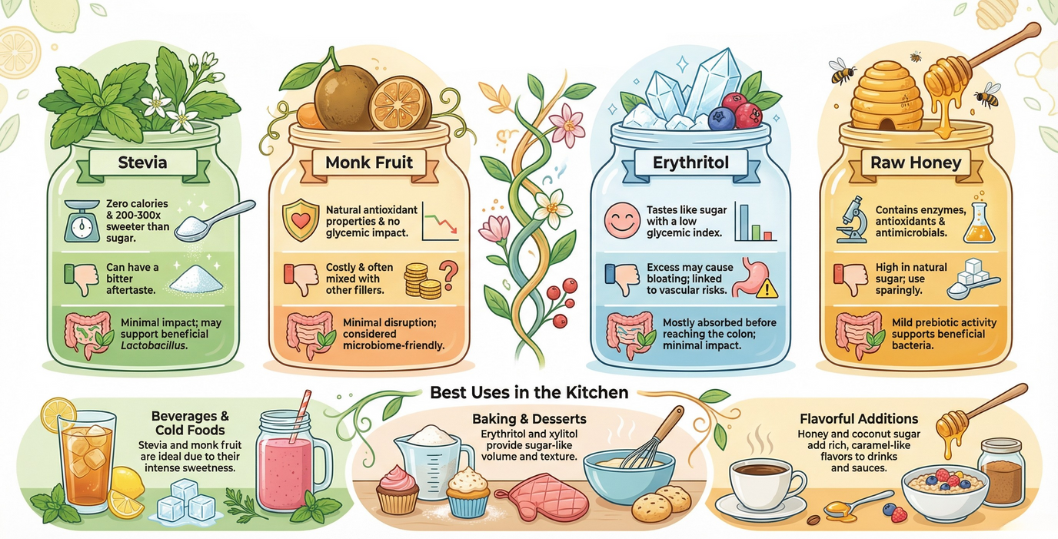
For those looking to reduce or eliminate artificial sweeteners, several natural alternatives offer sweetness without the same degree of microbiome disruption or metabolic risk. While no sweetener is entirely free from physiological effects, these options tend to have milder impacts on gut flora, glucose regulation, and overall health.
| Sweetener | Origin & Composition | Sweetness vs. Sugar | Pros | Cons Considerations | Gut Microbiome Impact (Evidence-Based) |
|---|---|---|---|---|---|
| Stevia (Steviol glycosides) | Extracted from the Stevia rebaudiana plant and contains Steviol glycosides. | 200–300 times sweeter | It is derived from plants, contains no calories, remains stable under heat, and is suitable for diabetics. | The fruit may leave a bitter aftertaste, and high doses may cause some gastrointestinal sensitivity. | Minimal dysbiosis reported; may reduce inflammatory species and support Lactobacillus growth in moderate use. |
| Monk Fruit (Luo Han Guo) | Extract from the Siraitia grosvenorii fruit native to China; contains mogrosides. | 150–200 times sweeter | It possesses natural antioxidant properties, has a pleasant taste, and has no known glycaemic impact. | The product is costly and is frequently combined with erythritol or maltodextrin. | Early studies show minimal disruption of microbial diversity; it is considered microbiome-friendly. |
| Erythritol (Sugar alcohol) | Produced via fermentation of glucose by yeast or fungi. | 60–80% as sweet | It is low in calories, has a low glycaemic index, and has a taste similar to sugar. | Excess can cause bloating or osmotic diarrhoea; recent studies link high intake to vascular inflammation and platelet reactivity. | Unlike sucralose or saccharin, erythritol appears to have minimal impact on gut bacterial composition, as it is largely absorbed before reaching the colon. However, high chronic intake may influence vascular–microbial signalling. |
| Xylitol (Sugar alcohol) | Derived from birch bark or corn; occurs naturally in small quantities in fruit and vegetables. | ~100% as sweet | Similar taste to sugar; dental benefits (reduces cavity-causing bacteria). | Can cause digestive upset in excess; highly toxic to dogs. | Modest evidence suggests prebiotic potential, increasing Bifidobacteria abundance in small amounts. |
| Coconut Sugar | Evaporated sap from coconut palm flower buds; contains small amounts of minerals. | ~70–80% as sweet | It has a lower glycaemic index than cane sugar and undergoes minimal processing. | Still contains fructose and calories; not suitable for low-carb diets. | Limited data; unlikely to significantly disrupt gut flora when used in moderation. |
| Raw Honey | Natural syrup produced by bees from floral nectar. | ~80% as sweet | It contains enzymes, antioxidants, and trace nutrients, along with natural antimicrobial properties. | Diabetics should use it sparingly due to its high natural sugar content. | Some varieties show mild prebiotic activity, supporting beneficial bacteria such as Bifidobacterium and Lactobacillus. |
Taste Profiles and Culinary Use
Stevia and monk fruit are best suited to beverages and cold foods due to their intense sweetness and aftertaste at high temperatures. Erythritol and xylitol behave more like sugar in baking and provide volume and texture, making them ideal for low-sugar desserts. Honey and coconut sugar add rich, caramel-like flavours that pair well with warm drinks, baked goods, and sauces.
Sourcing Tips
- Choose pure extracts without added maltodextrin, sucralose, or dextrose—common additives that can negate microbiome benefits.
- Look for organic or non-GMO certifications to avoid pesticide residues and synthetic processing agents.
- For erythritol and xylitol, check for products labelled as "non-corn-derived" if sensitivity or allergies are a concern.
Evidence-Based Comparisons to Synthetic Sweeteners
Synthetic options like sucralose and saccharin have been shown in animal and human studies to cause microbial dysbiosis and metabolic disruption, while natural sweeteners exhibit a markedly different profile. Erythritol, though industrially produced, is absorbed in the small intestine and excreted largely unchanged, thereby minimally interacting with gut bacteria. In contrast, artificial sweeteners reach the colon and directly alter bacterial populations.
New research also shows that polyols (like erythritol and xylitol) and plant glycosides (like stevia and monk fruit) may have mild anti-inflammatory and prebiotic effects on the gut mucosa when eaten in moderation.
Transitioning Away from Artificial Sweeteners
For those accustomed to intense sweetness, a gradual reduction approach works best:
- Start by blending natural sweeteners (e.g., stevia and erythritol) to maintain flavour while reducing your total intake.
- Over 2–4 weeks, retrain taste receptors by halving sweetener amounts in drinks and recipes.
- Incorporate naturally sweet foods such as berries, apples, or cinnamon to enhance perceived sweetness without additives.
Suggested Recipes: herbal teas sweetened with monk fruit; yoghurt with stevia and blueberries; baked oat bars using erythritol and cinnamon; or raw honey added post-cooking for flavour balance.
Key Takeaway
Artificial sweeteners were once considered inert sugar replacements, but evidence now suggests they may significantly reshape the gut microbiome and thereby influence metabolic, immune, and psychological health. Their use should therefore be viewed not simply as a dietary choice, but as a factor with potential systemic and long-term biological implications.
References
- Suez, J. et al. (2014). Artificial sweeteners induce glucose intolerance by altering the gut microbiota. Nature, 514(7521), 181–186.
- Ruiz-Ojeda, F. J. et al. (2019). Effects of sweeteners on the gut microbiota: A review of experimental studies. Frontiers in Nutrition, 6, 104.
- Lobach, A. R., Roberts, A., & Rowland, I. (2019). Assessing the in vivo data on low/no-calorie sweeteners and the gut microbiota. Food and Chemical Toxicology, 132, 110692.
- Bian, X. et al. (2017). Saccharin induced liver inflammation in mice by altering the gut microbiota and its metabolic functions. Food and Chemical Toxicology, 107, 530–539.