






The Human Biome · Article 3 of 26
Microbiota, Mood, and Emotion
Educational and scope notice
This material is for education only and does not provide medical diagnosis or treatment advice. IEMT practitioners should remain within their professional scope and refer clients to an appropriately qualified healthcare professional where medical assessment, treatment, prescribed medication, supplements or restrictive diets are involved.
The composition and activity of the gut microbiota play a significant role in shaping mood, emotional regulation, and cognitive processes. This module reviews clinical and preclinical evidence linking microbial ecology to mental health outcomes, introduces the emerging field of psychobiotics, and outlines the neurobiological mechanisms through which gut microorganisms may influence affective function. The module concludes with practitioner-oriented reflections on how these dynamics may manifest during IEMT sessions.
Clinical Evidence Linking Microbiota Composition to Anxiety, Depression, and Trauma
Over the past two decades, a growing body of research has established a measurable association between gut microbial composition and a range of psychological states, including anxiety disorders, major depressive disorder, post-traumatic stress disorder (PTSD), and chronic stress syndromes. Both human and animal studies demonstrate that disturbances in the gut microbiome (commonly referred to as dysbiosis) can alter behaviour, emotional stability, and stress reactivity.
Key findings include:
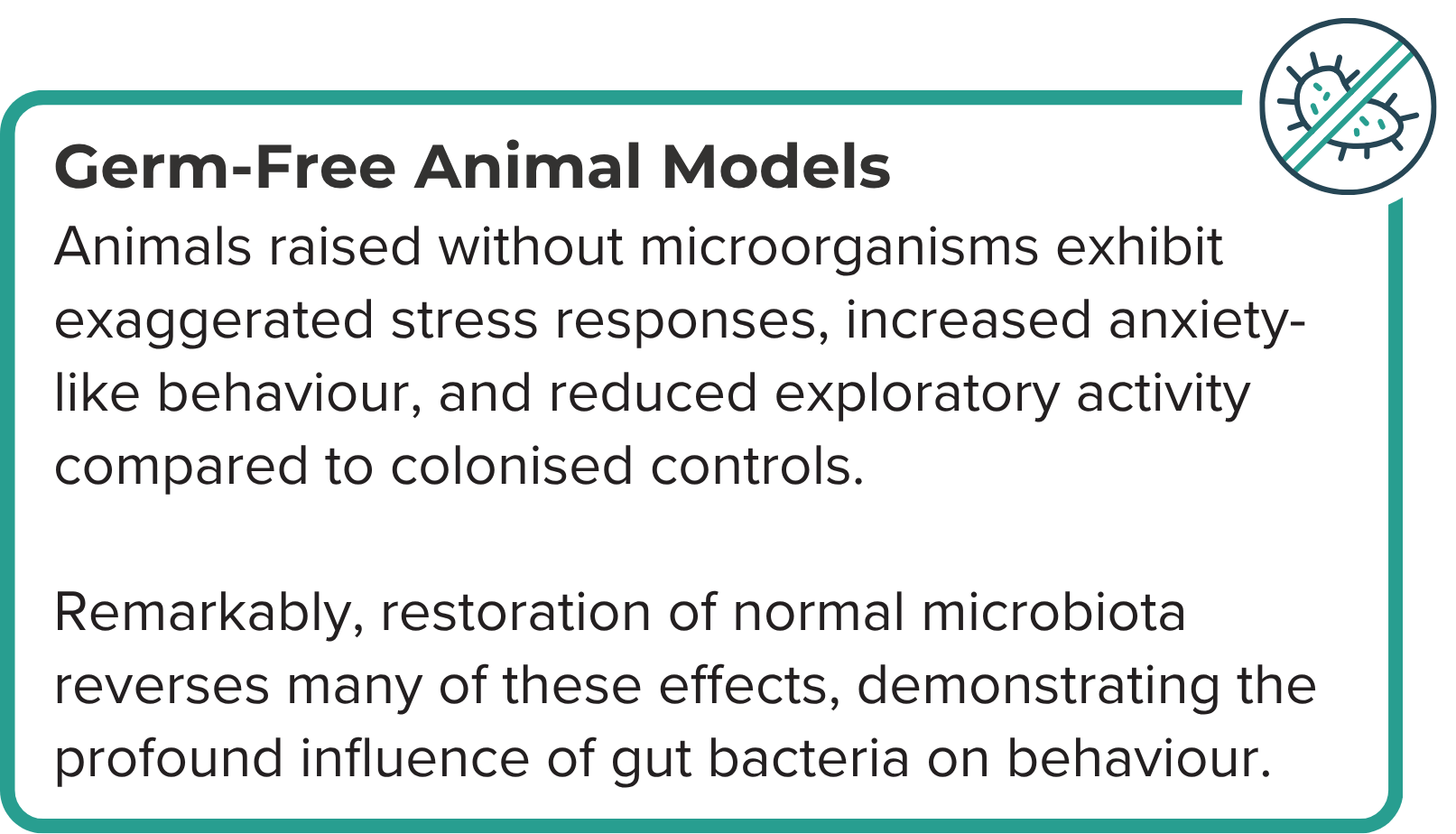
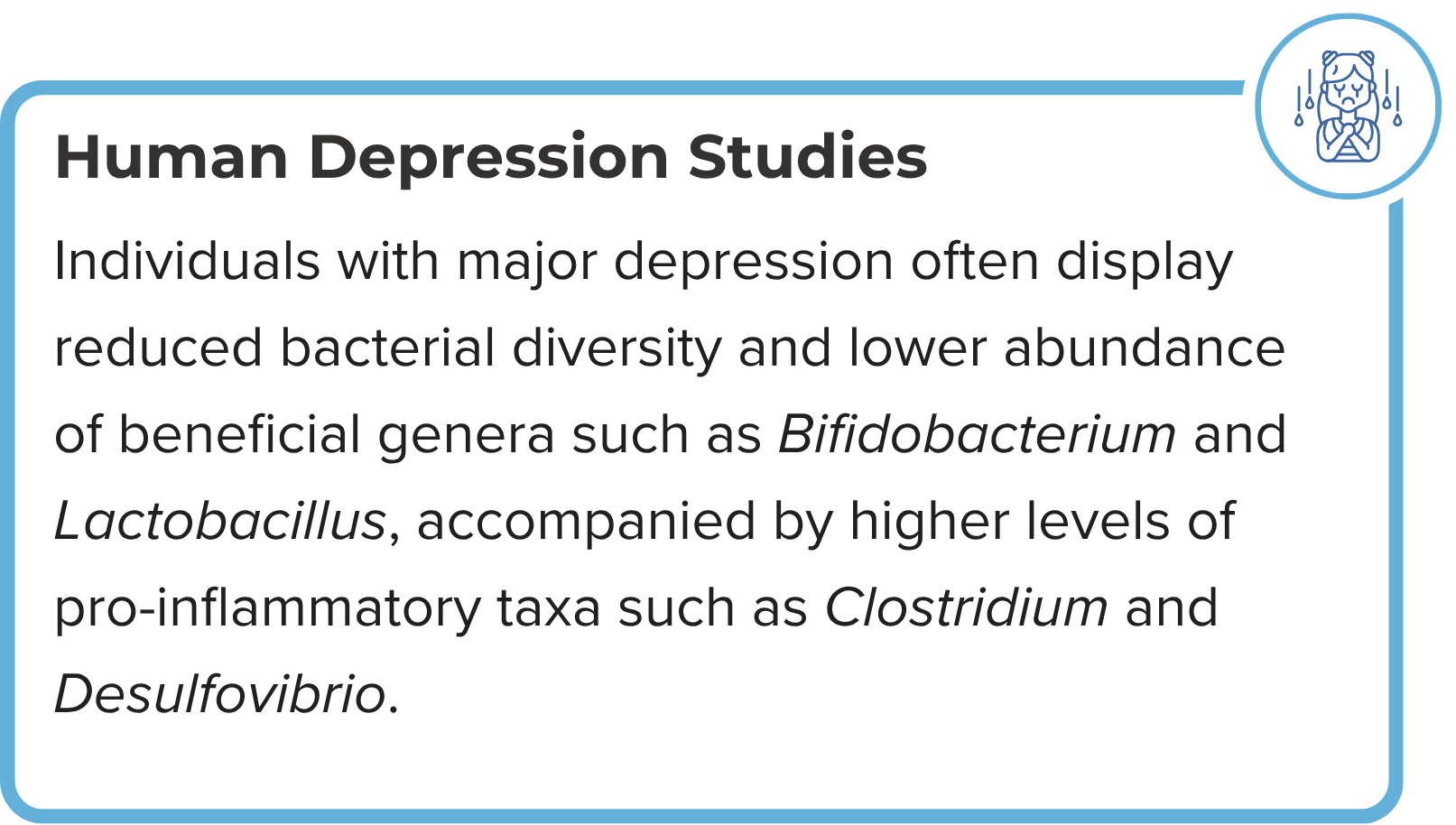
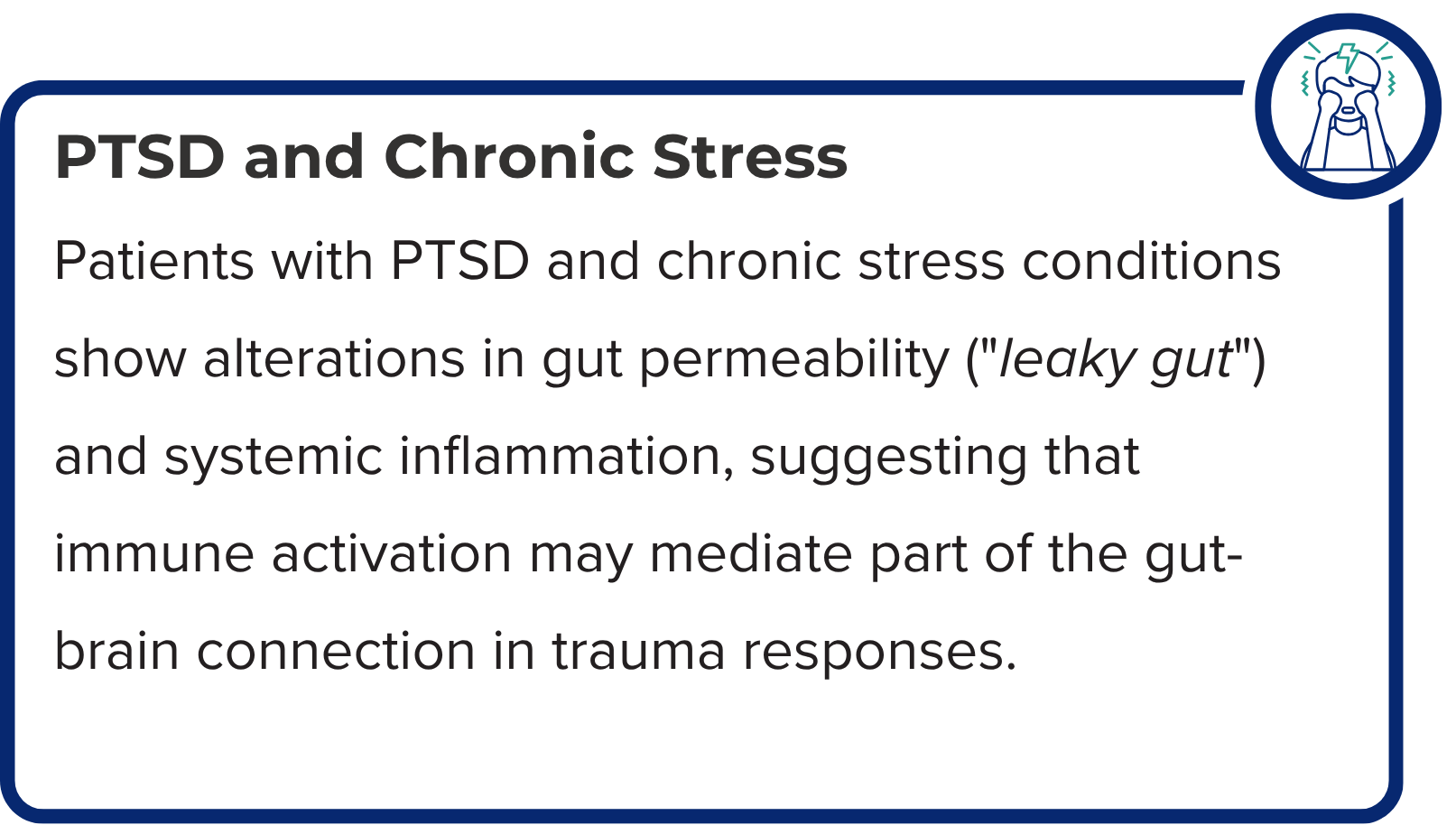
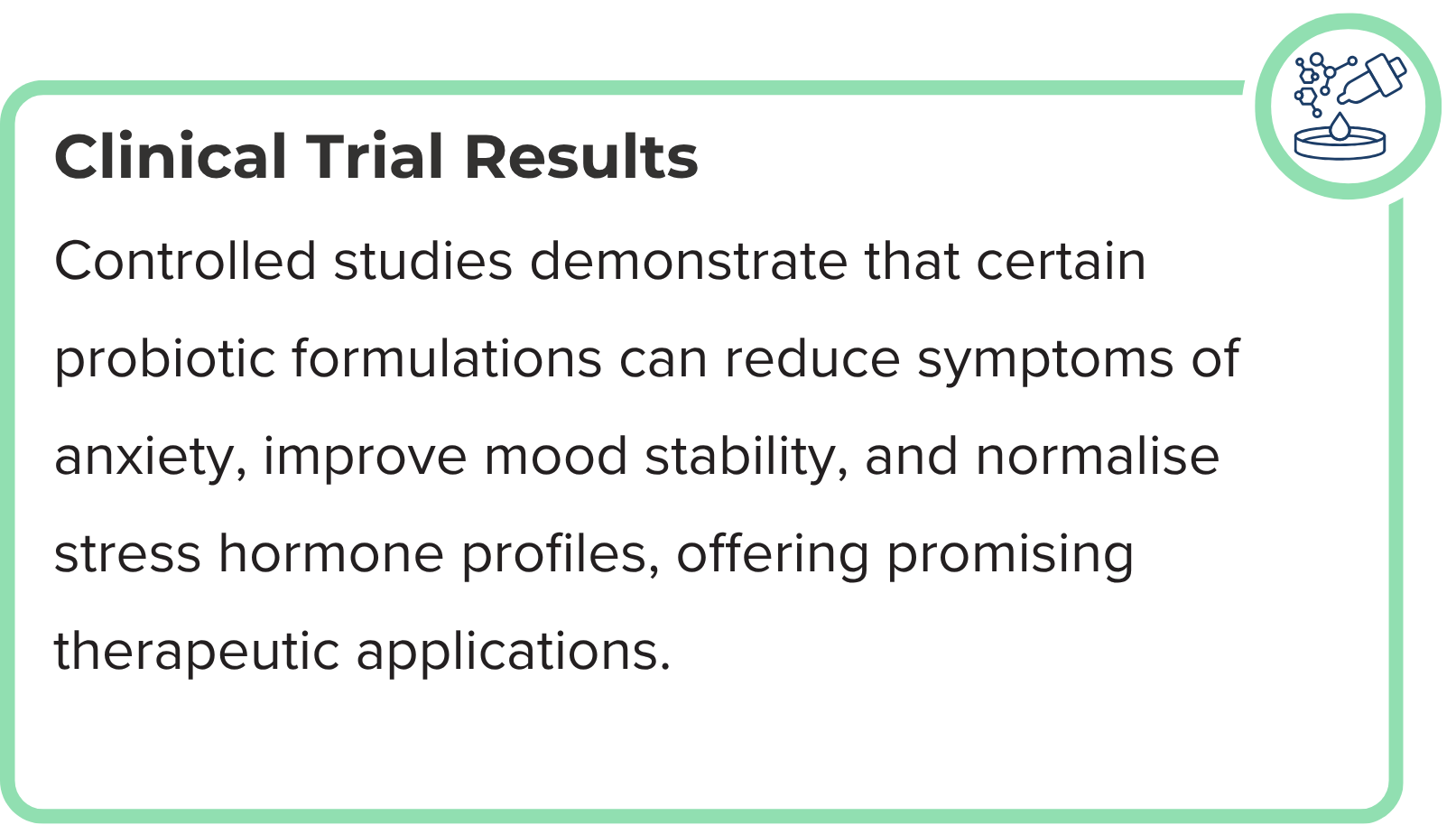
Collectively, these findings suggest that the gut microbiota does not merely coexist with the host but actively participates in regulating emotional states through interconnected neural, immune, and endocrine pathways.
Note: While these clinical trials and preclinical studies show promising results, the effect size and consistency can vary. Larger-scale and long-term human studies are still needed to fully establish therapeutic applications and evidence-based guidelines for psychobiotics.
Psychobiotics: Therapeutic Strains Influencing Mood and Cognition
The term 'psychobiotic' refers to live microorganisms that, when administered in adequate amounts, may confer mental health benefits by influencing the microbiota–gut–brain axis.
Several bacterial strains have shown promising psychotropic effects in controlled studies:
- Lactobacillus plantarum — Enhances stress resilience and reduces anxiety-like behaviour, potentially through modulation of the HPA axis and altered serotonin signalling within the gut–brain axis. Some studies report reductions in cortisol levels and improvements in perceived stress.
- Lactobacillus rhamnosus — Alters central GABA receptor expression via vagal signalling pathways. In animal models, ingestion of this strain produces anxiolytic effects comparable to those of pharmacological GABA agonists, effects that are abolished when the vagus nerve is severed.
- Bifidobacterium longum — Demonstrates antidepressant-like effects and enhances cognitive flexibility. Randomised controlled trials in humans have shown improvements in mood and reduced cortisol levels following supplementation.
While research remains ongoing, these strains exemplify how targeted microbial interventions can modulate affective states through biochemical and neurophysiological routes, providing a foundation for future adjunctive therapies.
Research context: Although several strains, such as L. plantarum, L. rhamnosus, and B. longum, demonstrate promising psychotropic effects, most mechanistic evidence derives from controlled laboratory or short-term clinical studies. Larger-scale replication and standardised outcome measures are essential before therapeutic use can be formally recommended.
Probiotics and Stomach Acid: How to Choose an Effective Supplement
When probiotic bacteria are ingested, they must survive passage through the highly acidic environment of the stomach before reaching the intestines, where they exert their beneficial effects. Stomach acid (pH 1.5–3.0) is designed to destroy ingested microbes, so not all probiotic products deliver live organisms to the gut in meaningful numbers.
Several factors influence a probiotic’s survival rate:
- Strain resilience: Some species, such as Lactobacillus plantarum, L. rhamnosus, and Bifidobacterium lactis, demonstrate higher tolerance to acid and bile than others.
- Encapsulation technology: Look for formulations described as enteric-coated, delayed-release, or micro-encapsulated, which protect bacterial cells until they pass safely into the small intestine.
- CFU (colony-forming units): A higher CFU count can help compensate for partial loss during transit, although the quality of the strain and formulation are more important than absolute numbers.
- Timing and method of ingestion: Taking probiotics shortly before a meal can buffer stomach acidity and increase survival through the upper digestive tract.
When selecting a probiotic, practitioners and clients should prioritise strains with clinical evidence of gastric survival and verified delivery systems. A product’s scientific evidence and manufacturing integrity are more reliable indicators of efficacy than marketing claims or very high CFU counts.
Note for Practitioners
IEMT practitioners should recognise that psychobiotic supplementation has the potential to support emotional regulation, but such interventions remain within the medical or nutritional domain. Unless otherwise suitably qualified, practitioners may discuss lifestyle influences on gut health and encourage clients to seek professional advice before initiating dietary or supplement-based changes.
Note: The Association strictly bans the practice of "upselling" such health products to clients, and it is grounds for immediate termination of membership.
Mechanisms of Action: Serotonin and GABA Modulation, Vagal Activation, and Inflammation Reduction
Psychobiotic effects are mediated through multiple interlinked pathways of the gut–brain axis:
- Serotonin modulation: Certain bacterial species enhance serotonin synthesis in the gut by increasing the expression of the enzyme tryptophan hydroxylase-1 (TPH1) in enterochromaffin cells, elevating peripheral serotonin levels, which may influence moods through vagal afferent signalling.
- GABA signalling: Microbes such as Lactobacillus rhamnosus and Bifidobacterium dentium can synthesise gamma-aminobutyric acid (GABA), the brain’s primary inhibitory neurotransmitter, promoting relaxation and emotional stability.
- Vagal activation: The vagus nerve acts as a bidirectional conduit, transmitting microbial and hormonal signals to limbic structures involved in emotion. Activation of vagal tone is associated with improved heart rate variability, reduced anxiety, and enhanced affect regulation.
- SCFA signalling: Short-chain fatty acids (butyrate, propionate, and acetate) produced by gut microbes modulate immune responses, strengthen the intestinal and blood–brain barriers, and influence neurochemical pathways involved in stress regulation.
- Inflammation reduction: A balanced microbiota composition decreases pro-inflammatory cytokines (e.g., IL-6, TNF-α) and increases anti-inflammatory mediators (e.g., IL-10), thereby reducing neuroinflammatory processes linked to mood disorders.
These mechanisms demonstrate that the gut microbiota can shape not only the body's biochemical environment but also the neurocircuitry underlying emotional experience.
Many of the mechanistic insights described here originate from preclinical animal models. While human studies offer supporting physiological and imaging evidence, direct gut–brain pathways in humans remain an active area of ongoing research.
Gamma-Aminobutyric Acid (GABA): The Brain’s Primary Calming Neurotransmitter
GABA (gamma-aminobutyric acid) is the primary inhibitory neurotransmitter in the human nervous system. Its primary function is to reduce neuronal excitability, helping maintain a balance between stimulation and relaxation in the brain. When GABA binds to its receptors on neurons, it opens ion channels that allow negatively charged chloride ions to enter the cell, making it less likely to fire an action potential.
This inhibitory action produces a calming effect on the nervous system, supporting emotional regulation, sleep, focus, and resilience to stress. Insufficient GABA activity has been associated with anxiety, restlessness, panic disorders, and insomnia, while enhanced GABAergic signalling contributes to relaxation and decreased physiological arousal.
Certain gut bacteria (such as Lactobacillus rhamnosus and Bifidobacterium dentium) are capable of synthesising GABA or influencing its receptor expression via vagal pathways. This link between gut microbes and the GABA system forms one of the key mechanisms by which the microbiota–gut–brain axis can affect mood and emotional well-being.
Beyond microbial influences, other substances can profoundly affect the GABA system and emotional regulation.
Alcohol and the GABA System
Alcohol interacts directly with the brain’s GABAA receptors, temporarily enhancing GABA’s inhibitory effects and producing relaxation, reduced anxiety, and sedation. However, with chronic alcohol use, the brain adapts to this overstimulation by reducing GABA receptor sensitivity and number, while simultaneously increasing glutamate activity, (the main excitatory neurotransmitter).
When alcohol intake is reduced or stopped, this imbalance can result in hyperexcitability of the nervous system, producing anxiety, restlessness, tremors, and, in severe cases, seizures. Over time, long-term alcohol exposure results in a weakened GABA system, making the individual more prone to stress, anxiety, and emotional instability even during abstinence.
In short, alcohol initially mimics calmness by enhancing GABA signalling, but prolonged use ultimately disrupts the brain’s natural inhibitory balance, leading to dependence and withdrawal-related hyperarousal.
Case Examples: Gut Imbalance in IEMT Sessions
In IEMT practice, gut dysregulation can subtly influence the client’s emotional responsiveness, physiological regulation, and kinaesthetic experience.
The following examples illustrate how such patterns may appear:
- Case A – Emotional Volatility: A client presenting with unpredictable emotional shifts and high somatic reactivity may exhibit underlying gut inflammation or dysbiosis. Practitioners often observe exaggerated visceral sensations (tightness, nausea, heat) during emotional recall, which may correspond to vagal dysregulation.
- Case B – Chronic Flatness or Fatigue: Clients reporting persistent emotional numbness or lack of affective depth may show signs consistent with low microbial diversity, reduced SCFA production, or HPA axis suppression. Emotional recall may elicit muted kinaesthetic feedback and limited emotional range.
- Case C – Trauma and Digestive Sensitivity: In clients with trauma histories, chronic gut sensitivity, food intolerance, or IBS-like symptoms often coexist. During IEMT, kinaesthetic patterns linked to “gut-based memories” may surface, requiring careful pacing and grounding.
In each of these scenarios, practitioners are advised to interpret physiological cues within a biopsychosocial framework rather than as purely psychological or purely physical phenomena. Integrating an understanding of gut physiology enriches IEMT formulation and supports holistic client awareness.
Summary
- Microbial composition has measurable effects on emotional regulation, anxiety, depression, and trauma response.
- Psychobiotics such as L. plantarum, L. rhamnosus, and B. longum modulate neurochemical balance and stress physiology.
- Gut–brain communication operates through serotonin and GABA pathways, vagal activation, and cytokine-mediated control of inflammation.
- IEMT practitioners may observe the influence of gut dysregulation in kinaesthetic patterns, emotional variability, and chronic affective states.
Reflective Questions
- What physiological or behavioural cues might suggest a client’s gut health is influencing their emotional responses?
- How might practitioners discuss gut–brain interactions in a way that respects professional boundaries?
- In what ways could understanding psychobiotic research inform a holistic IEMT approach to chronic emotional states?
Suggested Reading
- Wallace, C. J. K., & Milev, R. V. (2017). The effects of probiotics on depressive symptoms in humans: A systematic review. Annals of General Psychiatry, 16(14).
- Sarkar, A., Lehto, S. M., Harty, S., Dinan, T. G., Cryan, J. F., & Burnet, P. W. J. (2016). Psychobiotics and the manipulation of bacteria–gut–brain signals. Trends in Neurosciences, 39(11), 763–781.
- Kelly, J. R., et al. (2016). Transferring the blues: Depression-associated gut microbiota induces neurobehavioural changes in the rat. Journal of Psychiatric Research, 82, 109–118.
- Dalile, B., Van Oudenhove, L., Vervliet, B., & Verbeke, K. (2019). The role of short-chain fatty acids in microbiota–gut–brain communication. Nature Reviews Gastroenterology & Hepatology, 16(8), 461–478.
- Pinto-Sanchez, M. I., Hall, G. B., Ghajar, K., et al. (2017). Pinto-Sanchez, M. I., Hall, G. B., Ghajar, K., et al. (2017). Bifidobacterium longum NCC3001 reduces depression scores and alters brain activity in IBS: A pilot randomized controlled trial. Gastroenterology, 153(2), 448–459.e8.
- Chao, L., Liu, C., Ma, L., et al. (2020). Effect of probiotic supplementation on depressive symptoms: A meta-analysis of randomized controlled trials. Frontiers in Neurology, 11, 602.