







The Human Biome · Article 23 of 26
Archaea: The Overlooked Residents of the Human Biome
Educational and scope notice
This material is for education only and does not provide medical diagnosis or treatment advice. IEMT practitioners should remain within their professional scope and refer clients to an appropriately qualified healthcare professional where medical assessment, treatment, prescribed medication, supplements or restrictive diets are involved.
Archaea, one of the three fundamental domains of life alongside Bacteria and Eukarya, are single-celled microorganisms that were once mistaken for bacteria due to their similar size and shape. However, molecular analyses (particularly of ribosomal RNA sequences) have revealed that archaea represent a distinct evolutionary lineage with unique genetic, biochemical, and ecological characteristics.
Their resilience and versatility have made them a subject of growing interest in microbiome science, particularly as evidence accumulates about their role in the human body, including the digestive system.
Eukarya (Eukaryotes)
Eukarya, also known as eukaryotes, represent one of the three primary domains of life, alongside Bacteria and Archaea. Their defining feature is the presence of membrane-bound organelles, including a nucleus containing linear DNA, mitochondria for energy production, and often complex internal membranes. Eukaryotes include all multicellular organisms such as animals, plants, fungi, and protists.
In the context of the human biome, eukaryotic microorganisms - particularly yeasts like Candida species and protozoa - coexist with bacterial and archaeal communities, contributing to nutrient processing, immune modulation, and disease balance. Their interactions with bacteria and archaea illustrate the evolutionary continuum that links simple microbial life with complex multicellular organisms.
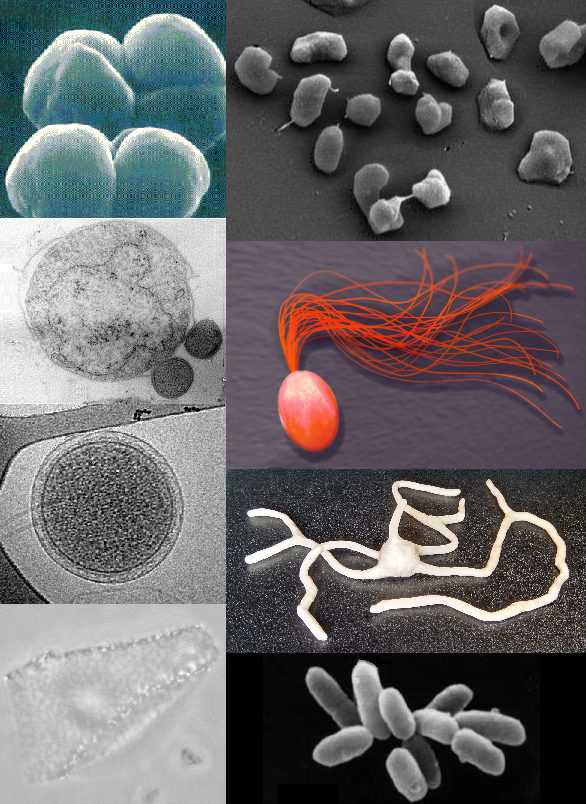
Distinctive Features of Archaea
Unlike bacteria, archaea possess membrane lipids composed of ether-linked isoprenoid chains rather than ester-linked fatty acids. This structural difference provides exceptional stability under extreme environmental conditions such as high temperature, salinity, and acidity. Their cell walls also lack peptidoglycan, the characteristic bacterial polymer, instead containing pseudopeptidoglycan or other complex polysaccharides. These biochemical features not only differentiate archaea from bacteria but also enable them to thrive in diverse, sometimes hostile niches, including the human gut.
Archaea within the Human Microbiome
For decades, the human microbiome was studied almost exclusively in terms of bacteria. Only with the advent of advanced molecular sequencing methods have archaeal communities been recognised as consistent, though often low-abundance, members of the human ecosystem. Their presence has been confirmed in the oral cavity, gastrointestinal tract, skin, and even the vaginal microbiome. Despite their relatively modest population size, archaea play disproportionately influential roles in metabolic regulation and cross-kingdom microbial interactions.
Archaea in the Human Gut
Although far less abundant than bacteria, archaea are essential members of the human digestive ecosystem. Chiefly represented by Methanobrevibacter smithii and Methanosphaera stadtmanae, these methane-producing microorganisms regulate fermentation efficiency by consuming hydrogen and carbon dioxide.
This activity supports short-chain fatty acid production and influences gut motility. Excessive methane output, however, has been linked with constipation-predominant IBS and small intestinal overgrowth.
Emerging research shows that archaea interact with bacterial species and the immune system, affecting metabolic balance and inflammation. Once seen only as extremophiles, these ancient organisms are now recognised as vital contributors to digestive health and the broader human biome.
The Methanogens
The most prominent archaeal group within the human body are the methanogens: organisms that produce methane as a metabolic by-product. Among these, Methanobrevibacter smithii and Methanosphaera stadtmanae are the most commonly detected in the human gut. M. smithii is particularly abundant in the colon and is considered a keystone species in anaerobic digestion processes.
Methanogens play a vital role in maintaining the efficiency of microbial fermentation within the intestine. They consume hydrogen (H2) and carbon dioxide (CO2) produced by bacterial fermentation of carbohydrates, converting these into methane (CH4). This hydrogen consumption shifts the metabolic equilibrium, allowing other bacteria to continue fermentative activity. Thus, methanogenic archaea indirectly enhance the breakdown of complex polysaccharides and the production of short-chain fatty acids (SCFAs) such as acetate, propionate, and butyrate, key energy sources for colonocytes and contributors to gut health.
Archaea and Digestive Function
In the digestive tract, archaeal metabolism is tightly interwoven with that of bacterial and eukaryotic microbes. The hydrogenotrophic activity of methanogens reduces intestinal hydrogen partial pressure, thereby promoting bacterial fermentation and influencing gastrointestinal motility and gas dynamics. Elevated methane production has been associated with slower intestinal transit, and, consequently, methane-dominant small intestinal overgrowth (SIBO) has been implicated in constipation-predominant irritable bowel syndrome (IBS-C). Conversely, a lack of methanogenic activity may be associated with diarrhoeal phenotypes or dysbiosis in rapid transit.
Furthermore, archaeal species such as Methanosphaera stadtmanae have been shown to stimulate immune responses within the intestinal mucosa. Their unique surface glycoproteins and cell wall components interact with host pattern-recognition receptors, influencing both innate and adaptive immune pathways. This immunomodulatory potential positions archaea as possible contributors to mucosal homeostasis - or, when dysregulated, as participants in inflammatory gut disorders.
Interactions with Other Microbes
Archaea engage in a web of metabolic cooperation and competition with bacteria and fungi in the gut ecosystem. Their removal of hydrogen benefits fermentative bacteria, while certain bacterial metabolites (such as formate or methanol) serve as substrates for archaeal methanogenesis.
This syntrophic relationship exemplifies the interdependence that characterises the gut microbiome. Moreover, archaeal presence has been linked with lower concentrations of trimethylamine (TMA), a compound derived from bacterial metabolism of choline and carnitine that is associated with cardiovascular risk when oxidised to TMAO. Thus, archaeal metabolism may contribute to cardiometabolic regulation indirectly through modulation of bacterial pathways.
Emerging Research and Clinical Implications
Although archaea constitute only a small fraction of total gut microbes - often less than 1% - their metabolic influence and ecological stability make them critical components of the human biome. Recent metagenomic studies suggest that archaeal diversity is greater than previously thought, with non-methanogenic lineages also present, potentially involved in nitrogen and sulfur cycling within the gut. Understanding their functions may open new avenues for therapeutic interventions targeting methane-associated dysbiosis, inflammatory bowel conditions, or metabolic disorders.
There is growing interest in modulating archaeal populations through diet, probiotics, or even targeted antimicrobials. However, given their structural resilience and deep symbiosis with other microbes, such interventions must be approached cautiously and with further empirical grounding. Future research is likely to focus on the co-evolutionary dynamics between archaea, bacteria, and host physiology, exploring how these ancient microorganisms continue to shape human health and disease.
Summary Table: Key Archaeal Species in the Human Digestive System
| Species | Primary Habitat | Metabolic Role | Clinical Associations |
|---|---|---|---|
| Methanobrevibacter smithii | Colon, small intestine | Hydrogenotrophic methanogenesis | Associated with constipation, IBS-C, and energy efficiency in fermentation |
| Methanosphaera stadtmanae | Colon | Reduces methanol to methane using hydrogen | Potential immune activation; elevated in inflammatory bowel conditions |
| Methanomassiliicoccus luminyensis | Colon | Methylotrophic methanogenesis (uses methylamines) | Possible regulation of TMA/TMAO pathways and cardiovascular risk |
Archaea, once considered mere extremophiles of the natural world, are now recognised as integral participants in the human digestive ecosystem. Through their metabolic cooperation, immune modulation, and potential impact on gut motility, these ancient microorganisms underscore the evolutionary depth and biochemical complexity of the human biome. Their study not only broadens our understanding of microbial ecology but also highlights new dimensions of human health, metabolism, and disease resilience.
Extremophile Archaea
Extremophile archaea are microorganisms that thrive in conditions once thought incompatible with life, such as boiling hydrothermal vents, hypersaline lakes, acidic hot springs, and deep-sea pressures. Their cellular membranes, built from ether-linked lipids, and their specialised enzymes enable survival at extreme temperatures, pH levels, and salinities that would destroy most other life forms.
These adaptations make them invaluable models for understanding biochemical resilience and early Earth evolution. Although many extremophiles inhabit remote environments, their study has illuminated how related archaea persist in the human gut, tolerating low oxygen and fluctuating acidity. Insights from extremophiles have also informed biotechnology, where their enzymes are used in PCR amplification and industrial bioprocessing.
Although extremophile archaea and those found in the human body inhabit vastly different environments, they share a common evolutionary heritage and remarkable biochemical resilience. Both groups demonstrate how archaeal physiology is adapted for survival under stress. Whether in scalding hydrothermal vents or the anaerobic, acidic niches of the human gut. The table below contrasts their habitats, adaptations, and scientific significance, illustrating the continuum between environmental extremophiles and human-associated archaea.
Comparison: Extremophile vs. Human-Associated Archaea
| Category | Representative Environments | Key Adaptations | Example Genera | Relevance to Humans |
|---|---|---|---|---|
| Extremophile Archaea | Hot springs, hydrothermal vents, hypersaline lakes, acidic mines, deep-sea sediments | Heat-stable enzymes, ether-linked membrane lipids, salt and acid tolerance, DNA repair mechanisms | Thermococcus, Halobacterium, Pyrococcus, Sulfolobus | Provide model systems for studying molecular resilience; enzymes used in biotechnology and PCR |
| Human-Associated Archaea | Colon, oral cavity, skin, and vaginal microbiomes | Anaerobic metabolism, hydrogen consumption, methane production, immune modulation | Methanobrevibacter, Methanosphaera, Methanomassiliicoccus | Influence digestion, fermentation efficiency, gut motility, and inflammatory regulation |
Why Extremophiles Matter
Extremophiles reveal the astonishing adaptability of life, surviving where heat, acidity, salinity, or pressure would destroy ordinary cells. Their enzymes and membranes remain stable under extreme stress, making them invaluable for biotechnology and medicine. DNA polymerases from thermophilic archaea enabled the development of PCR, a cornerstone of modern genetics. Their lipid chemistry also informs the design of heat-resistant drug carriers and biosensors. Studying extremophiles not only advances molecular innovation but also deepens our understanding of early Earth evolution, and the biochemical parallels that allow related archaea to thrive in the complex environment of the human gut.
Extremophile Archaea and Biomedical Innovation
The unique adaptations of extremophile archaea have provided valuable tools for biotechnology and medicine. Their thermostable enzymes, such as DNA polymerases from Thermococcus and Pyrococcus species, revolutionised molecular biology through polymerase chain reaction (PCR) techniques.
The exceptional stability of archaeal lipids under heat, acidity, and oxidative stress has inspired research into robust drug-delivery systems and vaccine carriers. In medicine, archaeal-derived enzymes are being investigated for use in diagnostic assays and biosensors where reliability under extreme conditions is critical. By studying how these microorganisms maintain structural integrity in harsh environments, researchers gain insight into molecular stability, longevity, and novel therapeutic design.
References
- Blais Lecours, P., Marsolais, D., Cormier, Y., Berberi, M., Haché, C., Bourdages, R., Duchaine, C., & Duchaine, C. (2014). Increased prevalence of methanogenic archaea in inflammatory bowel diseases. PLoS ONE, 9(10), e111317. https://doi.org/10.1371/journal.pone.0111317
- Gaci, N., Borrel, G., Tottey, W., O'Toole, P. W., & Brugère, J.-F. (2014). Archaea and the human gut: New beginning of an old story. World Journal of Gastroenterology, 20(43), 16062–16078. https://doi.org/10.3748/wjg.v20.i43.16062
- Samuel, B. S., Hansen, E. E., Manchester, J. K., Coutinho, P. M., Henrissat, B., Fulton, R., Latreille, P., Kim, K., Wilson, R. K., & Gordon, J. I. (2007). Genomic and metabolic adaptations of Methanobrevibacter smithii to the human gut. Proceedings of the National Academy of Sciences, 104(25), 10643–10648. https://doi.org/10.1073/pnas.0704189104
- Tap, J., Mondot, S., Levenez, F., Pelletier, E., Caron, C., Furet, J. P., Ugarte, E., Muñoz-Tamayo, R., Paslier, D. L., Nalin, R., Dore, J., Leclerc, M., & Doré, J. (2009). Towards the human intestinal microbiota phylogenetic core. Environmental Microbiology, 11(10), 2574–2584. https://doi.org/10.1111/j.1462-2920.2009.01982.x
- Vojinovic, D., Radjabzadeh, D., Kurilshikov, A., Amin, N., Wijmenga, C., Franke, L., Ikram, M. A., Uitterlinden, A. G., Zhernakova, A., Fu, J., & van Duijn, C. M. (2019). Relationship between gut microbiota and circulating metabolites in population-based cohorts. Nature Communications, 10(1), 5813. https://doi.org/10.1038/s41467-019-13721-1