Professional standards, training and membership.





Professional standards, training and membership.

The Hippocratic Oath
Background to the Hippocratic Oath
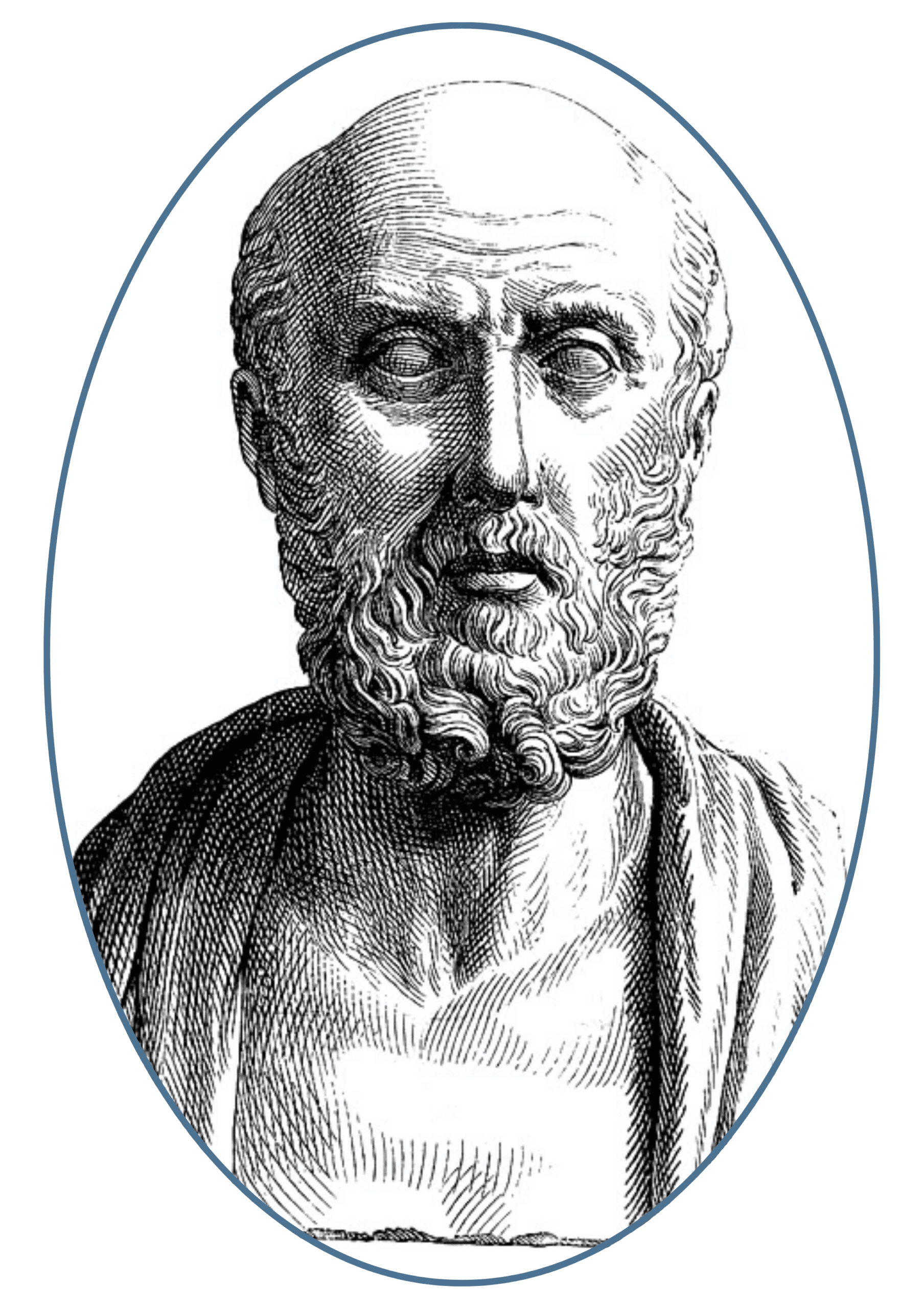 The Hippocratic Oath is one of the most enduring and influential texts in the history of medicine. Attributed to Hippocrates of Kos (c. 460 – c. 370 BCE)—often regarded as the "Father of Medicine"—the Oath represents an ethical code of practice for physicians and healers. Hippocrates and his followers established a school of thought in Ancient Greece that sought to systematise medical practice, separating it from superstition and aligning it more closely with observation and reason.
Note: The phrase "First, do no harm" (primum non nocere) does not appear in the Hippocratic Oath. It originates from Hippocrates’ essay "Of the Epidemics".
The Oath is a cornerstone of medical ethics, addressing responsibilities to patients, the confidentiality of medical information, and the importance of professional conduct. Although the original version reflects the religious and cultural context of ancient Greece—including invocations to healing deities such as Apollo, Asclepius, Hygieia, and Panacea—its core ethical principles have inspired numerous modern adaptations and declarations, such as the Declaration of Geneva by the World Medical Association.
While few modern physicians recite the classical Oath in full, its influence persists in the ethical frameworks taught in medical schools and upheld in healthcare systems around the world. It embodies the values of beneficence, non-maleficence, confidentiality, and professional integrity.
The Classical Hippocratic Oath
(Translated from Ancient Greek)
I swear by Apollo the Healer, by Asclepius, by Hygieia, by Panacea, and by all the gods and goddesses, making them my witnesses, that I will carry out, according to my ability and judgement, this oath and this indenture:
To hold my teacher in this art equal to my own parents; to make him partner in my livelihood; when he is in need of money to share mine with him; to consider his family as my own brothers, and to teach them this art, if they want to learn it, without fee or indenture;
To impart precept, oral instruction, and all other instruction to my own sons, the sons of my teacher, and to indentured pupils who have taken the Healer's oath, but to nobody else.
I will use those dietary regimens which will benefit my patients according to my greatest ability and judgment, and I will do no harm or injustice to them.
Neither will I administer a poison to anybody when asked to do so, nor will I suggest such a course. Similarly I will not give to a woman a pessary to cause abortion.
But I will keep pure and holy both my life and my art.
I will not use the knife, not even, verily, on sufferers from stone, but I will give place to such as are craftsmen therein.
Into whatsoever houses I enter, I will enter to help the sick, and I will abstain from all intentional wrong-doing and harm, especially from abusing the bodies of man or woman, bond or free.
And whatsoever I shall see or hear in the course of my profession, as well as outside my profession in my intercourse with men, if it be what should not be published abroad, I will never divulge, holding such things to be holy secrets.
Now if I carry out this oath, and break it not, may I gain for ever reputation among all men for my life and for my art; but if I break it and forswear myself, may the opposite befall me.