
Professional standards, training and membership.





Professional standards, training and membership.
Ethics in IEMT Practice: Lesson 3.1
Safeguarding and Consent When Working with Children and Young People
Welcome
This lesson marks the beginning of Module 3, where we explore ethical considerations when working with children and young people. We begin by focusing on safeguarding responsibilities and the unique aspects of obtaining valid consent from minors.
Learning Objectives
By the end of this lesson, you will be able to:
- Understand safeguarding responsibilities when working with minors.
- Explain the concept of Gillick competence and parental consent.
- Identify signs of safeguarding concerns and respond appropriately.
- Apply ethical and legal requirements for working with children and young people.
What is Safeguarding?
The ethical and legal mandate of safeguarding in IEMT practice with children and young people reflects a broader societal commitment to protecting vulnerable populations, yet it assumes a heightened significance given the therapy’s capacity to engage with emotionally charged material.
Young clients, whose developmental stages may render them less equipped to articulate or process distress, rely on practitioners to proactively identify and mitigate risks of harm.
This responsibility extends beyond reactive measures to encompass a preventative ethos, where the promotion of well-being becomes as integral as the detection of abuse or neglect. In the context of IEMT, where rapid emotional shifts can unearth previously unaddressed vulnerabilities, practitioners must integrate safeguarding into their therapeutic framework, ensuring that the pursuit of change does not inadvertently exacerbate existing risks.
Safeguarding is the process of protecting children and young people from abuse, harm, or neglect. All practitioners working with minors have a legal and ethical duty to:
Abuse may include:
- Physical, emotional, or sexual abuse.
- Neglect.
- Exposure to domestic violence.
- Exploitation or online harm.
Responsibilities of the IEMT Practitioner
IEMT practitioners are not expected to diagnose or investigate, but you must:
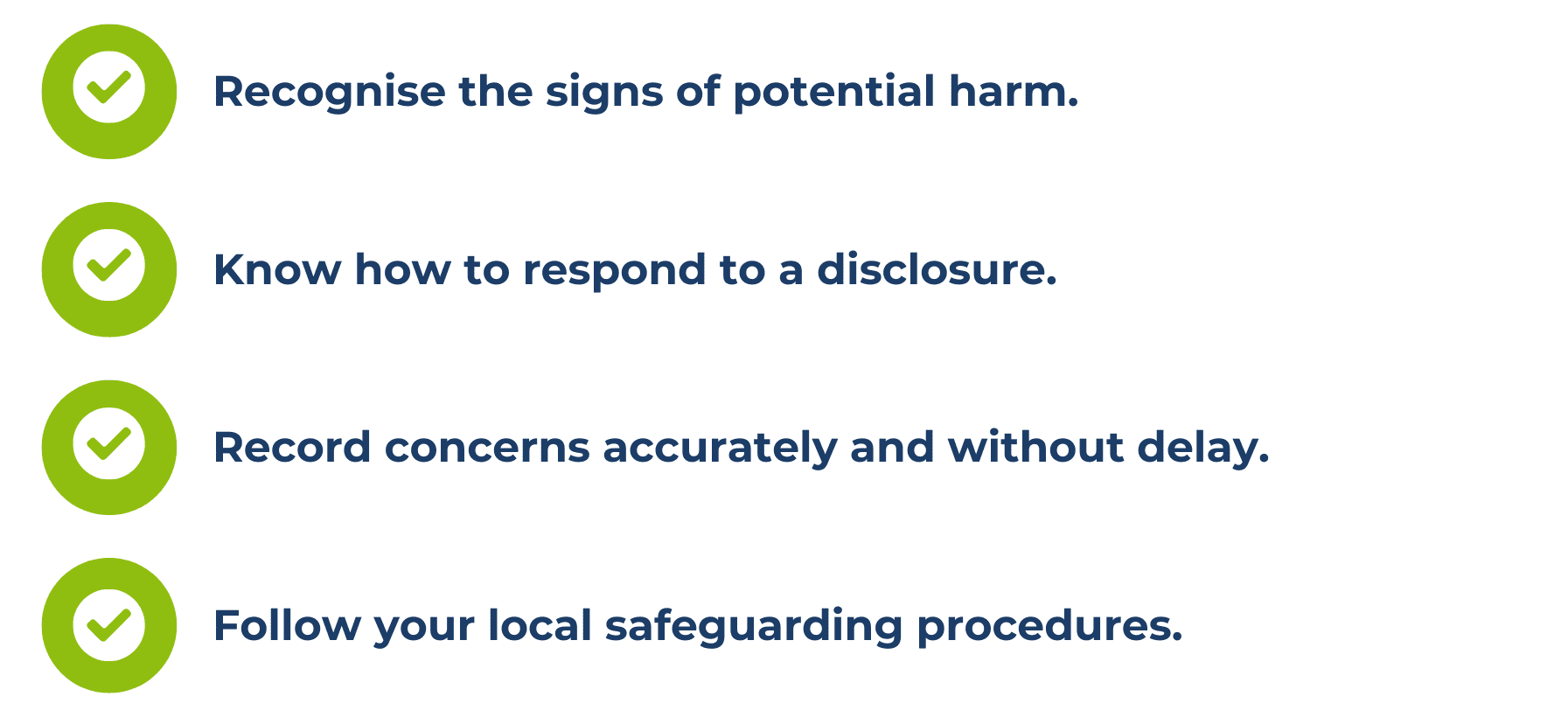
Always err on the side of caution. If you’re unsure, consult a safeguarding lead or your professional supervisor.
Consent and Capacity in Young Clients
Working ethically with children and young people requires special attention to consent. Applying the Gillick competence framework in IEMT practice introduces a nuanced layer of ethical decision-making, as it requires practitioners to assess a minor’s capacity within the specific dynamics of a brief, change-oriented intervention.
Unlike more protracted therapeutic modalities, IEMT’s condensed timeline demands that practitioners swiftly evaluate a young person’s ability to comprehend the therapy’s purpose, process, and potential emotional impact.
This assessment is not merely a procedural checkpoint but a critical ethical exercise, as an inaccurate judgement could either undermine a competent minor’s autonomy or expose an immature client to interventions beyond their readiness.
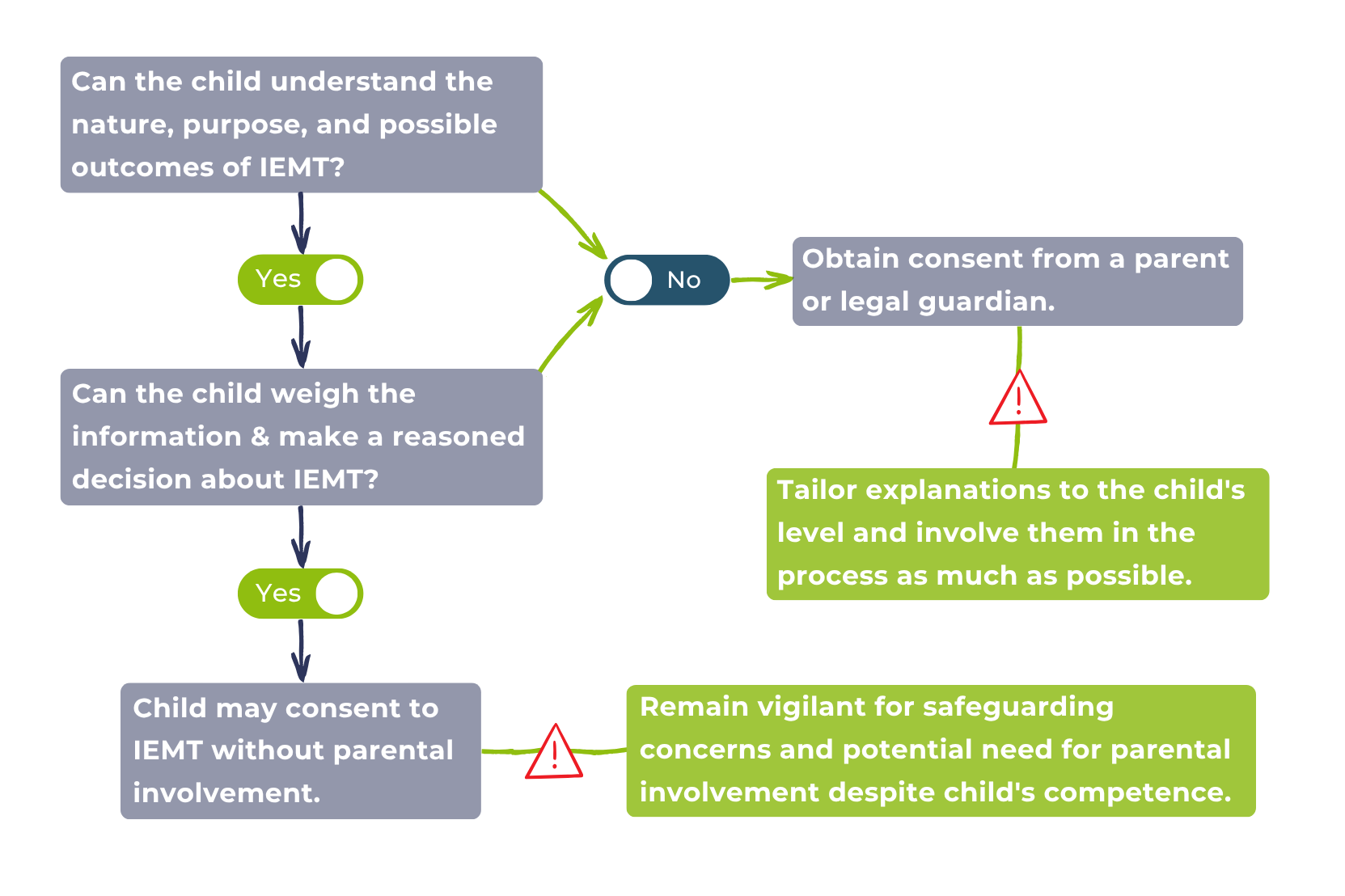
Practitioners must, therefore, hone their observational and communicative skills, tailoring explanations to the child's developmental level while remaining vigilant for signs of misunderstanding or being overwhelmed that might necessitate parental involvement.
Consent processes with young clients in IEMT practice are further complicated by the interplay between autonomy and safeguarding, particularly when the therapy’s intensity might trigger disclosures of harm.
For children under 16 deemed Gillick competent, the ethical challenge lies in honouring their independent decision-making while ensuring that this autonomy does not isolate them from necessary support systems, such as parents or guardians, in cases of risk.
Conversely, for 16- to 17-year-olds presumed to have capacity, practitioners must weigh the legal presumption against contextual factors—such as emotional maturity or familial dynamics—that might warrant broader consultation.
This dual focus requires a delicate balance, as over-reliance on parental consent could infantilise a capable young person, while under-involvement might neglect safeguarding obligations. In IEMT, where sessions can pivot quickly into sensitive territory, practitioners must embed this balance into their initial and ongoing consent dialogues.
Children Under 16
Use the Gillick competence framework:
- Can the child understand the nature, purpose, and possible outcomes of the work?
- Are they able to weigh the information and make a reasoned decision?
If yes, the child may consent without parental involvement. If not, you must obtain consent from a parent or legal guardian.
Ages 16–17
Legally presumed to have capacity unless evidence suggests otherwise. However, involving parents may still be appropriate depending on the circumstances and safeguarding needs.
Confidentiality with Young People
Confidentiality applies to young clients, but you must clearly explain the limits—especially around risk or harm.
Good practice includes:
- Explaining what you can and cannot keep private.
- Encouraging openness with parents when it's safe and appropriate.
- Preparing young clients for situations where you may need to break confidentiality.
Self-Reflection Exercise
Think about your preparedness for working with minors:
- Are you confident in your safeguarding knowledge?
- Do you know whom to contact if a safeguarding concern arises?
- How do you explain consent and confidentiality to young people?
Identify one action you can take this week to improve your safeguarding readiness.
Key Takeaways
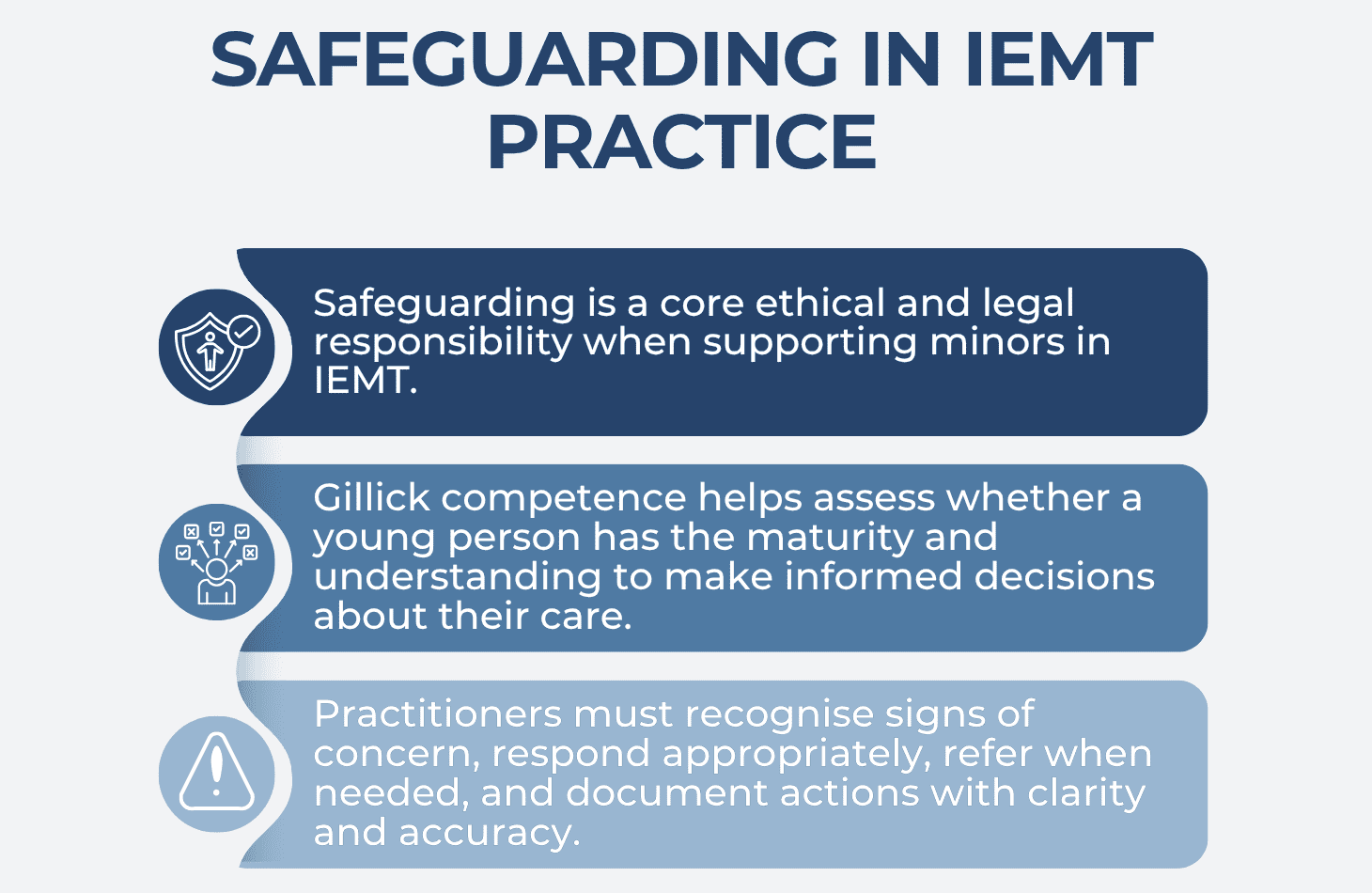
- Safeguarding is an essential duty when working with minors.
- Gillick competence helps determine if a young person can consent independently.
- Practitioners must know how to respond to concerns, make appropriate referrals, and document actions clearly.
Next Steps
In Lesson 3.2, we will look more closely at maintaining therapeutic boundaries and effective communication when working with young clients.
This ethics series is produced by The Association for IEMT Practitioners and is intended for professional development purposes. Always adhere to local laws, safeguarding requirements, and your professional judgement when applying ethical principles in practice.