Professional standards, training and membership.




Professional standards, training and membership.
Children's Rights in Therapy: A Rights-Based Approach to Ethical Practice
Introduction
Working therapeutically with children and young people requires more than technical skill and psychological insight. It also requires a clear understanding of children’s rights, as enshrined in international law and supported by ethical frameworks within healthcare and psychological practice. Central to this is the United Nations Convention on the Rights of the Child (UNCRC), which positions children not merely as passive recipients of care but as individuals with evolving capacities and active voices.
In this essay, we explore the core principles of a rights-based approach to therapy, examining the child’s right to be heard, respected, and involved in decisions affecting them. We also consider the ethical tension between respecting autonomy and fulfilling the duty to protect, and finally, we reflect on the ethical use of power and authority in therapeutic relationships.
The United Nations Convention on the Rights of the Child (UNCRC)
The UNCRC is a legally binding international agreement that sets out the civil, political, economic, social, and cultural rights of all children. Ratified by the vast majority of countries, the Convention includes 54 articles, several of which are especially relevant to therapeutic practice:
- Article 3: The best interests of the child must be a primary consideration in all actions concerning children.
- Article 12: The right to express views freely in all matters affecting the child, with those views given due weight in accordance with age and maturity.
- Article 13: The right to freedom of expression. Children have the right to share freely with others what they think and feel, by talking, drawing, writing or in any other way, unless it harms other people.
- Article 16: The right to privacy. The law must protect the confidentiality of the child’s personal information, family circumstances, communications, and reputation from any unnecessary disclosure or intrusion.

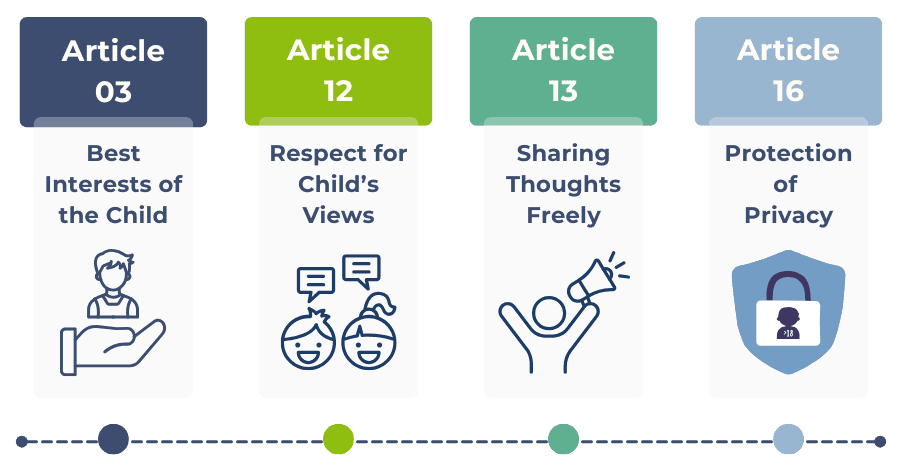
These articles underpin a framework where children are active participants in their care, capable of contributing meaningfully to decisions about their emotional and psychological well-being.
The Right to Be Heard, Respected, and Involved
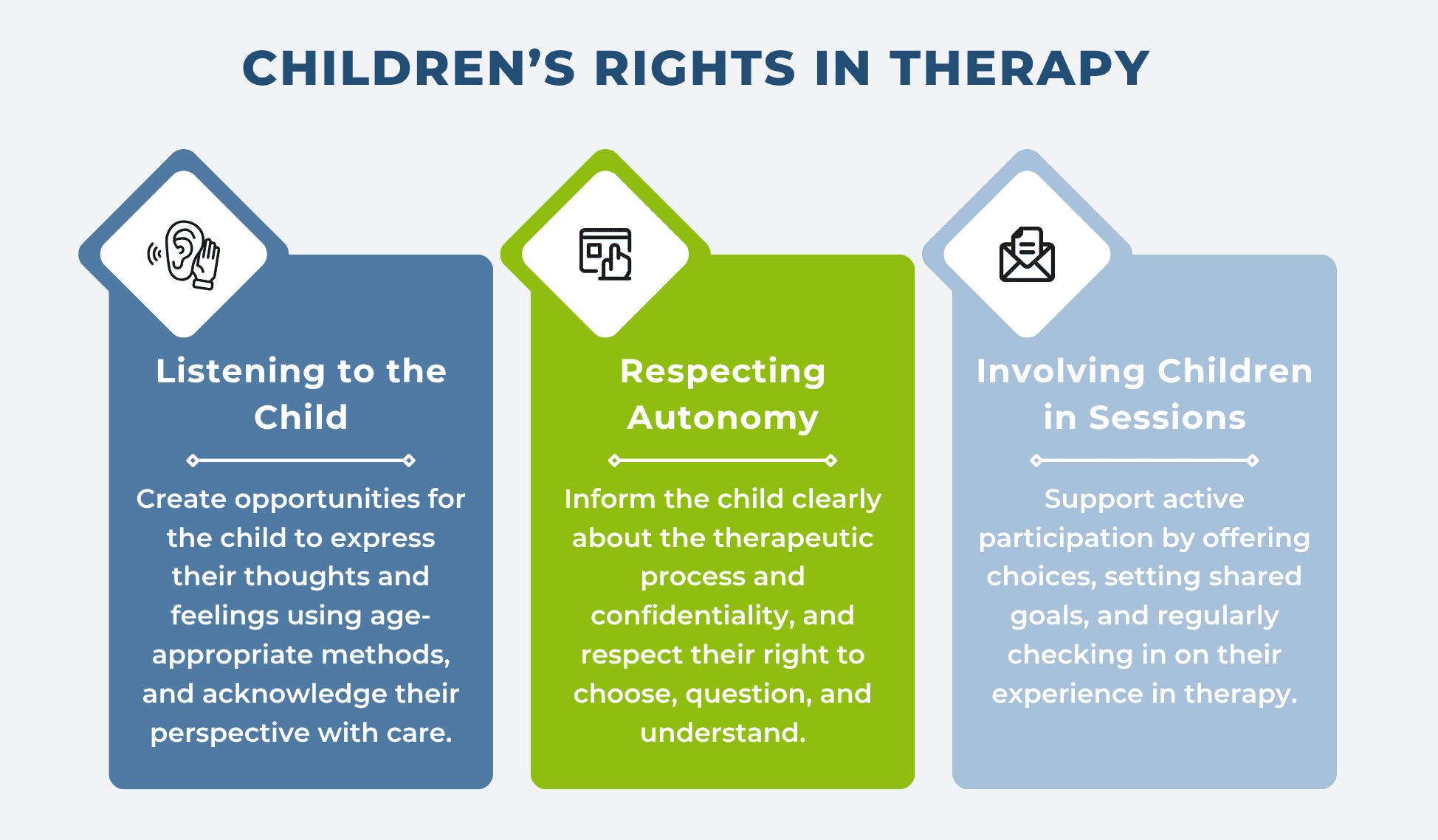
Listening to the Child
Therapeutic practice must create space for the child’s voice to be heard. This means:
- Allowing the child to express their wishes, concerns, and understanding of their situation.
- Using developmentally appropriate language and tools (e.g., drawing, storytelling, metaphor).
- Validating the child’s perspective, even if it cannot always be the sole basis for decisions.
Respecting Autonomy
Respect in the therapeutic context includes respecting the child’s right to:
- Say yes or no to participation in therapy.
- Understand the purpose and methods of the therapeutic process.
- Know how their information will be used and shared.
Practitioners should always explain confidentiality and its limits clearly and invite children to ask questions or express concerns.
Involving Children in Decision-Making
Even young or developmentally delayed children can be meaningfully involved in decisions when given appropriate support. Strategies include:
- Offering choices about the structure or content of sessions.
- Collaborating on goals.
- Checking in regularly on how the child feels about the work.
This involvement promotes engagement, trust, and emotional safety.
Balancing Rights with Protection
The Ethical Tension
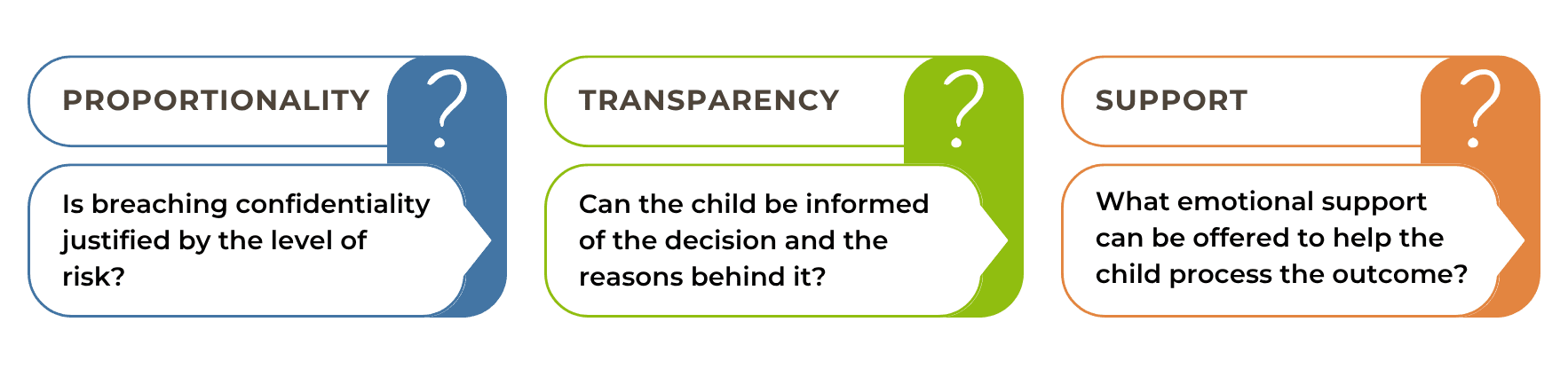
A frequent ethical dilemma arises when the child’s expressed wishes appear to conflict with their safety or welfare. For example, a child may ask the therapist not to share information about abuse or may refuse to engage in therapeutic work that is believed to be in their best interest.
Practitioners must navigate this tension carefully.
Key considerations include:
The Role of Safeguarding
The UNCRC does not suggest that children’s rights are absolute or unlimited. Article 3’s emphasis on the child’s best interests reinforces the importance of safeguarding. Practitioners must be ready to act decisively to protect children from harm, even when doing so temporarily overrides the child’s expressed wishes.
The ethical approach lies in how this is done: with compassion, transparency, and minimal disempowerment.
Ethical Use of Power and Authority
Power in the Therapeutic Relationship
All therapeutic relationships involve power. This power differential is heightened by age, legal status, and developmental stage for children. Ethical practice requires practitioners to:
- Use their authority responsibly, always in service of the child’s wellbeing.
- Avoid coercion, intimidation, or emotional manipulation.
- Be mindful of transference, dependency, and emotional vulnerability.
Modelling Healthy Authority
Therapists can model respectful, attuned adult behaviour by:
- Setting clear, consistent boundaries.
- Responding predictably and calmly.
- Owning mistakes and encouraging feedback.
In doing so, the practitioner helps the child internalise a sense of safety and agency.
A rights-based approach to therapy with children and young people is not just a legal or ethical obligation but a pathway to more effective, respectful, and empowering practice. By listening to children, involving them in decisions, and using professional power with care and humility, IEMT practitioners can honour the spirit of the UNCRC and support children’s emotional development in meaningful and lasting ways.
Ethical practice in this context requires reflection, sensitivity, and an unwavering commitment to the principle that children are not just future adults but full human beings deserving of dignity, voice, and respect today.
For further guidance, practitioners should refer to the UNCRC full text, local safeguarding frameworks, and the ethical codes of their professional associations.