
Professional standards, training and membership.







Professional standards, training and membership.
Ethics in IEMT Practice: Lesson 5.3
Ethical Dilemma Simulations and Reflective Integration
Welcome
Congratulations on reaching the final lesson of the Ethics in IEMT Practice series. In Lesson 5.3, we bring together everything you've learned through a set of interactive ethical dilemma simulations. These scenarios are designed to challenge your thinking, reinforce your knowledge, and prepare you for complex decision-making in your professional practice.
Learning Objectives
By the end of this lesson, you will be able to:
- Identify and analyse ethical dilemmas across diverse client situations.
- Apply core ethical principles to make justified decisions.
- Reflect critically on your decision-making process.
Simulation Instructions
For each of the following dilemmas:
- Read the scenario carefully.
- Identify the key ethical issues and principles involved.
- Write a brief plan for how you would handle the situation.
- Reflect on how your own values, assumptions, or limitations may influence your response.
Simulation 1: Compromised Confidentiality
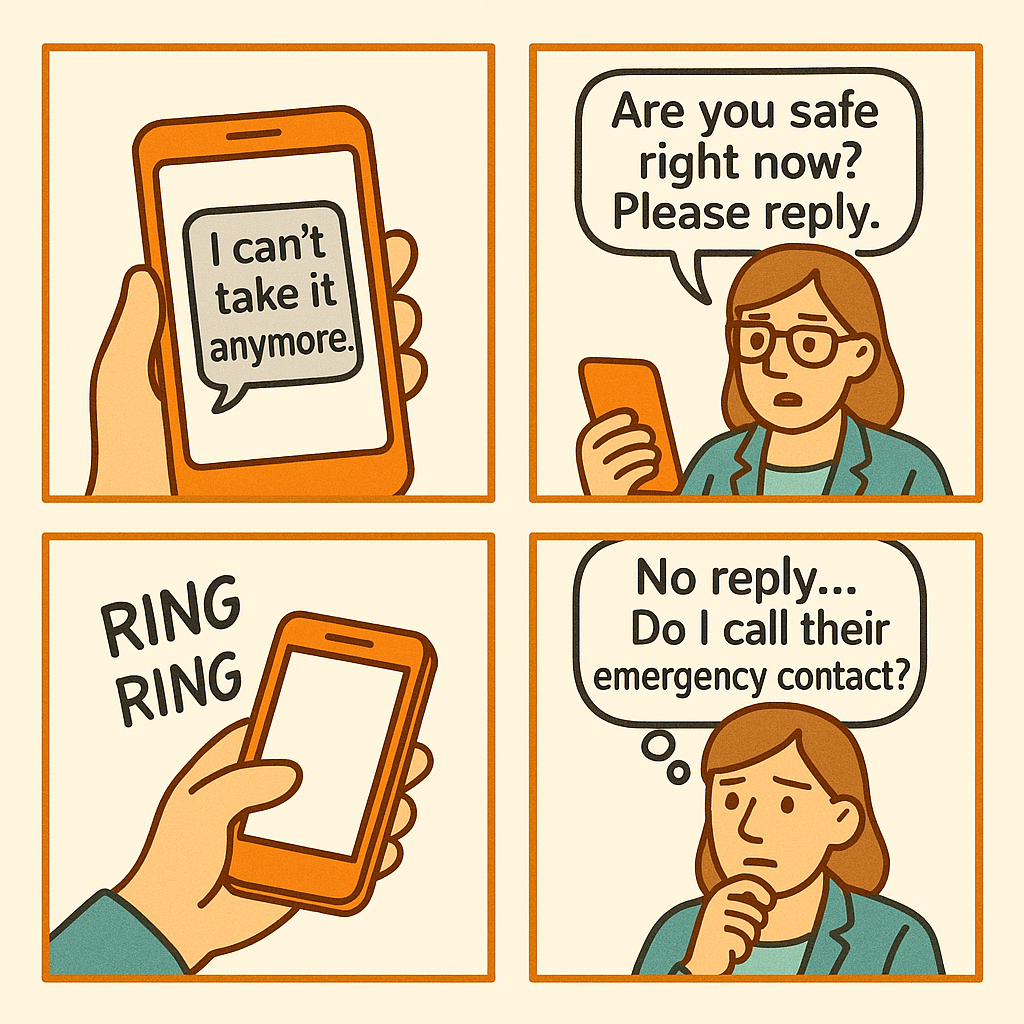
Scenario: A client texts you in distress outside of your normal working hours, saying they “can’t take it anymore”. They don’t reply to follow-up messages. You're unsure if this is a genuine risk or a moment of venting. You have their emergency contact and GP information.
Consider:
- Autonomy vs. duty of care.
- When to escalate or intervene.
- Professional boundaries outside session hours.
Simulation 2: Pressure from a Parent
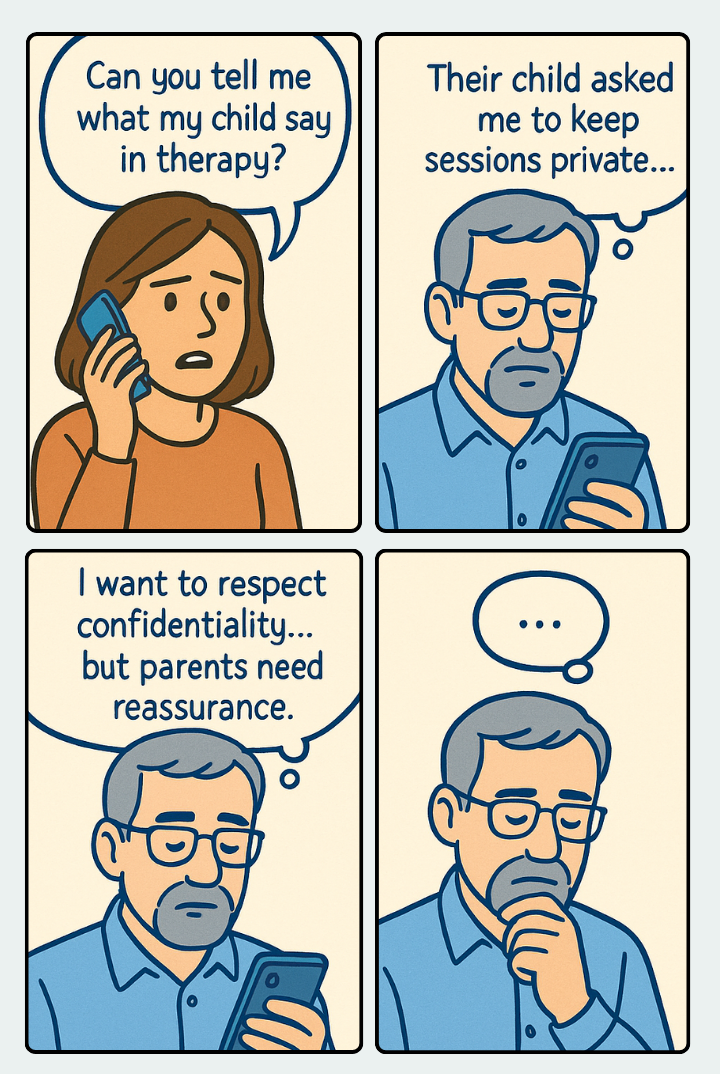
Scenario: A parent of a 13-year-old client asks you to share details about the therapy sessions because they are worried and want reassurance. The young person has asked you not to tell their parents what they’ve shared.
Consider:
- Gillick competence.
- Confidentiality vs. parental rights.
- Best interests of the child.
Simulation 3: Out-of-Scope Request
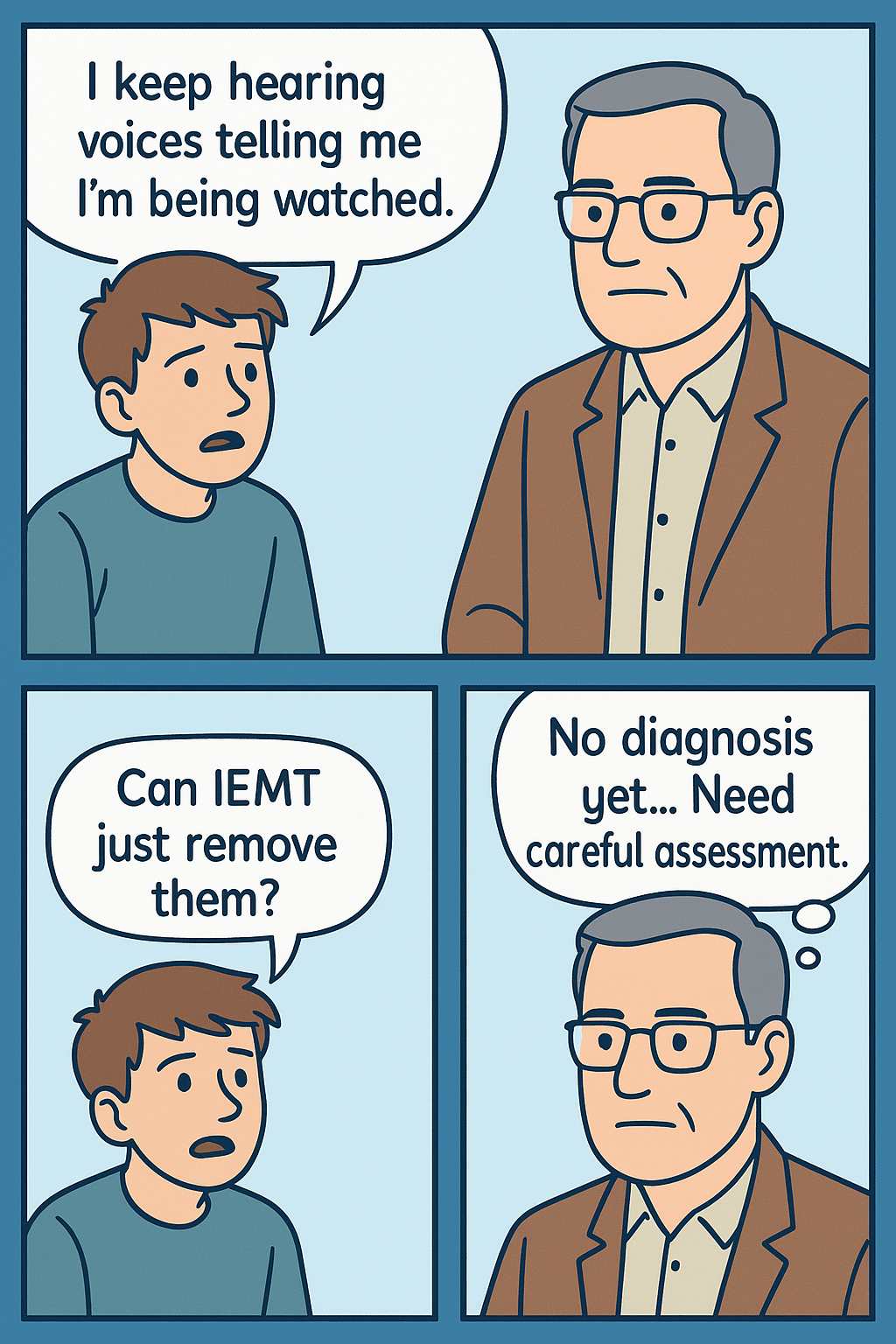
Scenario: A client discloses that they are hearing voices and suspects they are being monitored. They want to use IEMT to “remove” these experiences. They have not been diagnosed with a mental illness and are not under medical care.
Consider:
- Practitioner competence and scope.
- When to refer or seek support.
- Managing expectations and safeguarding.
Reflective Integration Exercise
Choose one of the simulations above and write a 300–500 word response that includes:
- The ethical principles in conflict.
- Your intended course of action.
- How you would document and justify your decision.
- Any support (e.g., supervision or referral) you would seek.
You may wish to share this reflection with a supervisor or peer group.
Final Key Takeaways
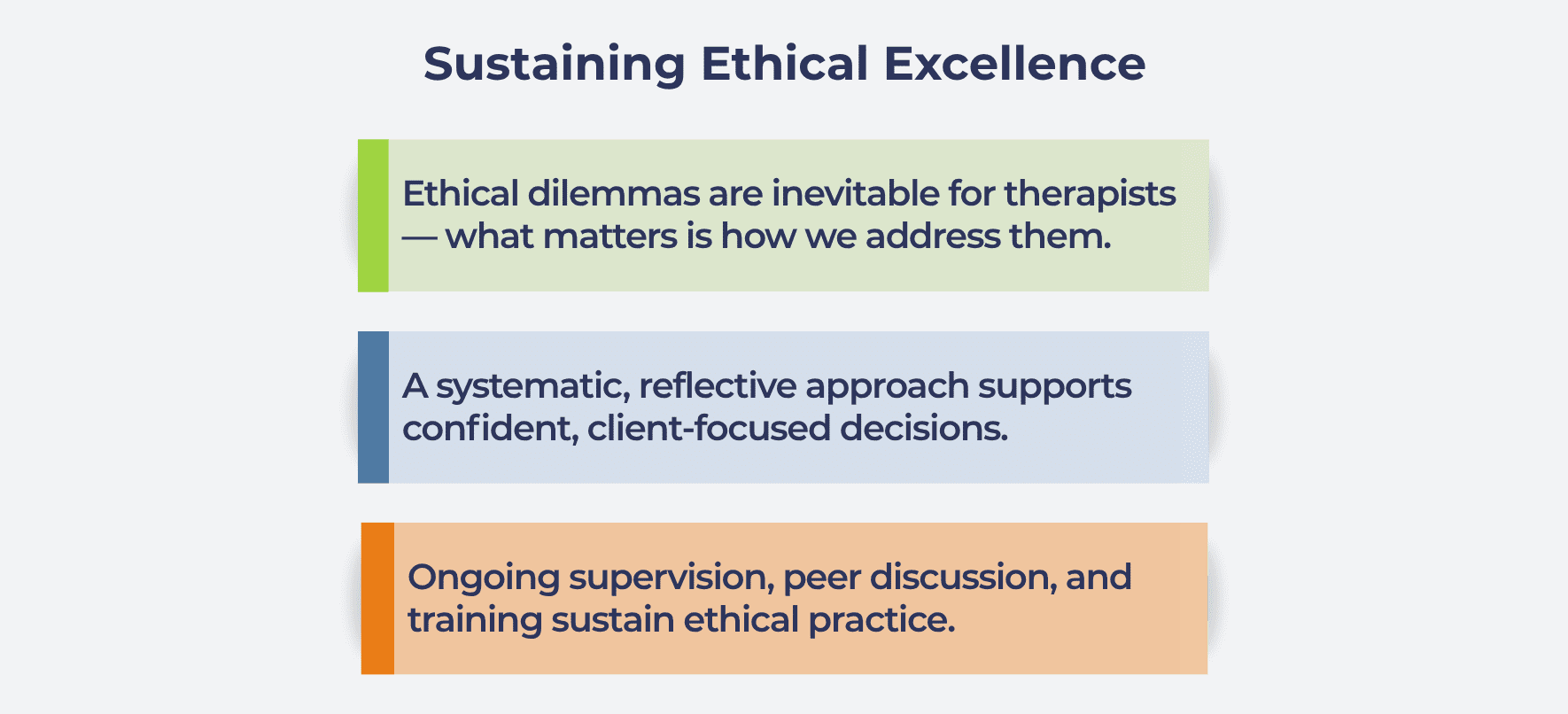
- Ethical dilemmas are part of every therapist’s practice—what matters is how we respond.
- A structured, reflective approach supports confident, client-centred decisions.
- Continuing supervision, peer discussion, and training help sustain ethical excellence.
Completion
This concludes the Ethics in IEMT Practice lesson series. Thank you for your commitment to safe, ethical, and compassionate practice. Please revisit these materials regularly and integrate reflection into your ongoing professional development.
This ethics series is produced by The Association for IEMT Practitioners and is intended for professional development purposes. Always adhere to local laws, safeguarding requirements, and your professional judgement when applying ethical principles in practice.