






Handling a High-Hostility, Narcissistic Complainant: Guidelines for IEMT Practitioners
This guidance is provided for members of the Association for IEMT Practitioners. It is not legal advice. Always consult professional counsel and your professional indemnity insurer regarding legal matters.
Note: what is most important is not to try to change the narcissist's mind or opinions about you; this is unlikely to be productive. The best strategy is a combination of damage limitation and self-protection from the destructive behaviours deployed by the narcissist.
A narcissistic injury occurs when someone with narcissistic tendencies perceives a real or imagined threat to their inflated self-image. Feeling criticised, ignored, or exposed can spark this injury. In response, a narcissistic individual may:
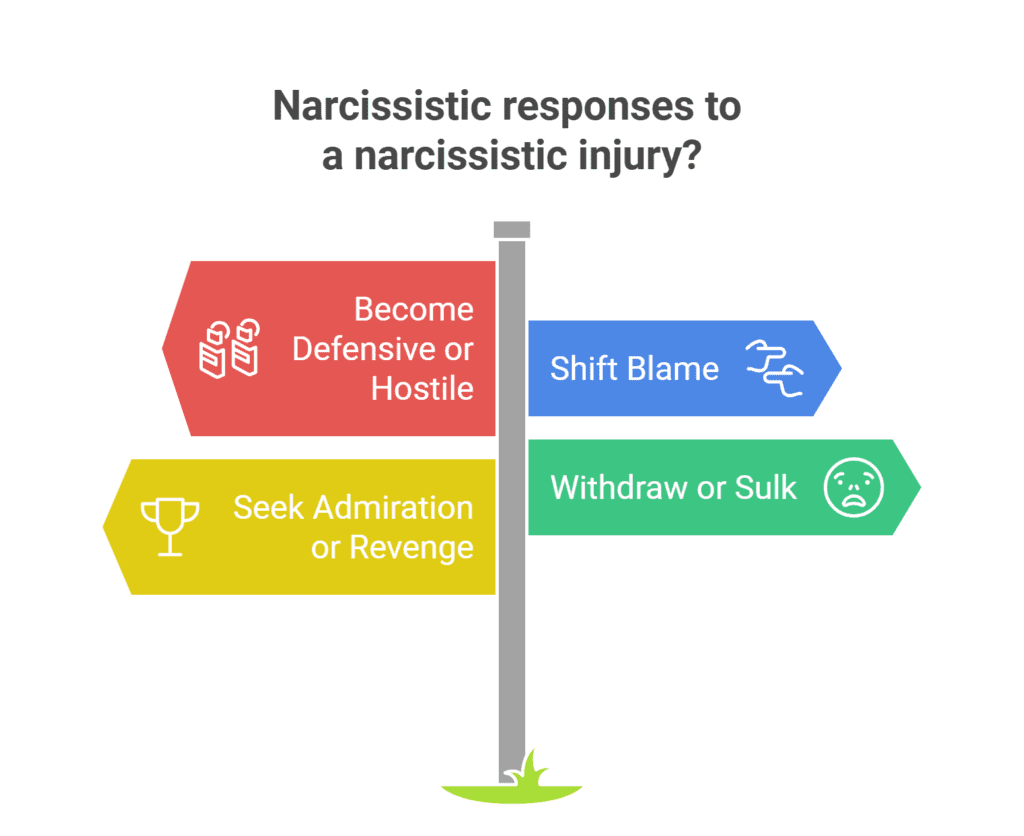
- Become Defensive or Hostile: They may lash out verbally or emotionally, seeking to discredit or belittle whoever they feel has “wronged” them.
- Shift Blame: They might deflect criticism onto others rather than accept responsibility.
- Seek Admiration or Revenge: Driven by wounded pride, they could attempt to restore their self-worth by demanding praise or retaliating in manipulative ways.
- Withdraw or Sulk: Some may display passive-aggressive behaviours like silent treatment or self-pity, aiming to make others feel guilty or to regain attention.
These reactions often stem from the narcissist’s desire to protect their self-image and maintain their sense of superiority.
Introduction
Dealing with a complainant who displays overtly narcissistic traits and is intent on creating trouble - or even damaging a therapist’s reputation - can be deeply challenging. Experts on narcissism (such as Dr. Ramani Durvasula and Dr. Craig Malkin) often highlight the importance of maintaining emotional boundaries, setting strict limits, and resisting the urge to engage in prolonged conflicts. The following best practices, based on widely recognised strategies for managing narcissistic behaviour, outline how to mitigate the risks associated with these high-conflict interactions.
Within the scope of Integral Eye Movement Technique (IEMT) practice, professional integrity and a calm approach are paramount. Maintaining control over your emotional and professional responses will help preserve your reputation and protect your well-being.
Key Strategies
1. Wait, Delay
- Resist immediate reaction: Narcissistic complainants often leverage urgent or highly charged demands to provoke an impulsive response. You can reduce escalation by pausing and allowing time to think through your response.
Learn to deal with the outrage you may experience when faced with the blatant lies, untruths and distortions levelled at you by the complainant.
Do not get drawn into a frantic, real-time email war with the complainant. - Reflect before responding: Take a moment to evaluate the complaint. Is it valid, partially valid, or entirely manipulative? Clarify your perspective, consult colleagues or mentors, and decide whether a response is warranted. The Association can offer guidance here if required.
- Reduce reactivity: Emotions can run high. To remain composed, use stress-management techniques (e.g., grounding exercises, mindfulness, or even IEMT). Remain dignified and composed at all times when dealing with the situation. If the complainant has been a client, you must also remember to maintain confidentiality, even if the complainant goes public with their concerns. If the narcissist can push you into unprofessional conduct by their manipulative provocations, you may end up validating their behaviour and finding yourself subjected to genuine legal difficulties.
2. Minimise
- Keep it succinct: Use as few words as possible. Narcissistic complainants typically seek extensive engagement to fuel conflict or drama. Everything you do, write and say will be twisted, distorted and used against you. Be aware of this in all communications, keeping it minimal.
- Be direct and factual: Address only what is essential. Do not feel obligated to answer every point—especially those that are speculative or manipulative. Do not correct or refute the lies about you; this will only lead the complainant to escalate their provocations as they "double down" to prove themselves correct.
- Avoid emotional language: Narcissistic complainants thrive on emotional or dramatic reactions. Keep your writing neutral to help de-escalate tension.
3. Distance
- Use impartial language: Strive for a formal, professional tone that does not reveal emotional investment. Do not make legal threats or imply any form of threat through veiled language and terminologies.
- Maintain healthy boundaries: Respond through appropriate channels (e.g., an official email or a formal letter). Refrain from personal conversations or social media engagement that could amplify the drama.
- Seek support if needed: Consult with a supervisor, an ethics committee, or legal counsel for guidance—particularly if the complaint escalates or seems legally threatening. Let the Association management know of the situation where appropriate.
4. Remain Stoical
- No public references: Avoid publicly discussing the complaint or the complainant on social media or through colleagues. Public venting can attract unnecessary attention and “voyeurs” who add to the drama. This includes "vague-posting", where allusions to the situation are drawn, and the person is not named directly. This form of social media behaviour is best avoided at all times, regardless of context.
- Prevent online confrontations: Engaging online (e.g., in comment sections or social media debates) often provides more fuel to the narcissistic complainant.
- Hold your ground: Project calm confidence and business as usual. Narcissistic individuals often interpret defensiveness or public protest as a win for their antagonistic behaviour.
Additional Considerations
- Documentation
- Keep a secure record of all communications (emails, letters, phone logs). This documentation may be essential if a complaint escalates to a formal regulatory body or legal action.
- Note any contradictory or manipulative tactics the complainant uses. Patterns of behaviour can become clearer over time.
- Legal and Ethical Guidance
- If the complainant’s hostility persists or escalates, consult with an attorney or professional indemnity insurer. Sometimes, it may be wise to enlist legal counsel before responding further.
- Follow your professional code of ethics and guidelines. For IEMT practitioners, adhering to these guidelines provides a framework for ethical and professional responses to conflict.
- Self-Care
- High-conflict situations can take a toll on your mental health. Make time for self-care: supervision, therapy, meditation, or peer support groups can help you remain grounded.
- Recognize your limits. Dealing with narcissistic individuals—especially those aiming to damage your reputation—can be draining. Know when to step back and seek professional advice.
Caution
Be aware of "hoovering." Hoovering is a manipulative tactic often deployed by narcissists to regain control or influence in a relationship. After periods of conflict or apparent detachment, the narcissist may suddenly adopt a charming, cooperative, or apologetic demeanour, seemingly “sucking” the therapist back into a sense of rapport. This apparent change of heart is designed to disarm the therapist, steering them away from setting boundaries or addressing the core issues.
While it may seem like genuine remorse or a desire to move forward, hoovering typically masks the narcissist’s underlying goal: to re-establish their position of power. By maintaining professional boundaries, calmly recognising the pattern, and focusing on consistent therapeutic objectives, IEMT practitioners can avoid being drawn into a cycle of manipulation disguised as good intentions.
Narcissistic complainants can be disruptive, destructive, and draining if they are not handled with care and strategic awareness. By applying the four core principles (Delay, Minimise, Distance, and Remain Stoical) IEMT practitioners can maintain professionalism, protect their emotional well-being, and reduce the likelihood of further conflict. Remember that you do not owe a manipulative individual the emotional engagement they seek; a calm, measured, and legally informed response is your strongest shield.
Disclaimer: This document provides general information and does not constitute legal or clinical advice. Always consult your professional indemnity insurer and/or legal counsel for advice specific to your situation.